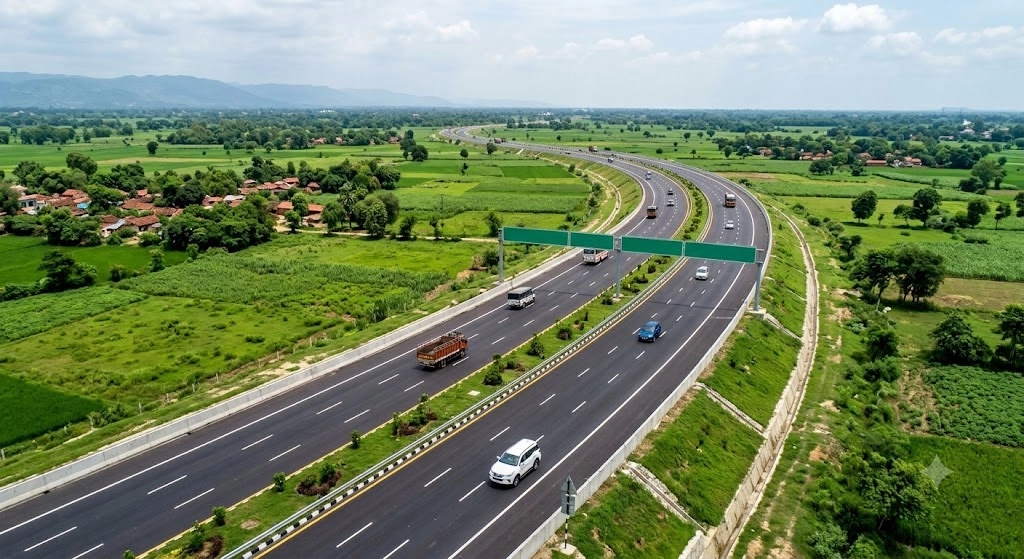
Rajnath Singh, the Union Minister of Defence in India, emphasized the critical importance of robust infrastructure for the future of any nation. He articulated that a country with a solid and well-developed infrastructure is better positioned to thrive and progress in various aspects. This assertion reflects a broader understanding of how infrastructure acts as the backbone of economic development and social well-being. Strong infrastructure enables efficient transportation, communication, and energy distribution, which are essential for fostering growth, attracting investment, and enhancing the quality of life for citizens.
Singh’s remarks underscore the government’s commitment to investing in infrastructure projects that not only bolster the economy but also create jobs and improve connectivity across regions. By developing roads, railways, airports, and ports, the government aims to facilitate smoother trade and travel, thereby enhancing the overall economic landscape. The establishment of a robust infrastructure framework is not merely a matter of convenience; it is a strategic necessity that can propel a nation toward sustainable development and global competitiveness.
Moreover, a strong infrastructure can significantly influence various sectors, including education, healthcare, and technology. With better roads and transportation networks, access to schools and hospitals becomes easier, thus contributing to improved educational outcomes and health services. In the context of technology, a well-connected infrastructure can foster innovation and ensure that digital services reach even the most remote areas, bridging the urban-rural divide.
In conclusion, Rajnath Singh’s statement serves as a reminder of the vital role infrastructure plays in shaping the future of a nation. As countries invest in and prioritize infrastructure development, they lay the groundwork for a stronger, more resilient economy and a better quality of life for their citizens. The focus on infrastructure is not just about immediate gains; it is about building a legacy of progress that will benefit generations to come.