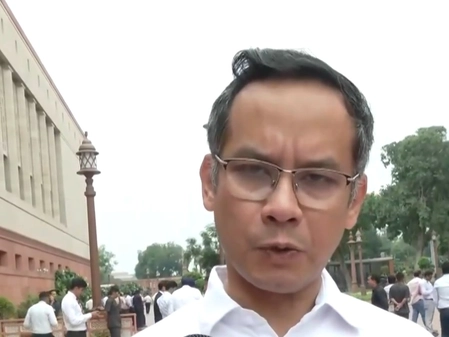
Gaurav Gogoi has expressed concerns regarding the government’s avoidance of significant public interest issues such as the NEET exam controversies, paper leaks, and the ongoing discussions surrounding the Ram Temple donations. He argues that these topics are critical for the welfare of the citizens and should be addressed openly by the authorities. The reluctance of the government to engage in meaningful dialogue about these pressing matters raises questions about its accountability and transparency.
The NEET exam, which is a crucial gateway for students aspiring to enter the medical field, has been marred by incidents of paper leaks, leading to widespread discontent among students and parents alike. Gogoi highlights that the government’s inaction in this regard not only undermines the integrity of the examination process but also affects the future of countless aspiring doctors. He believes that the youth deserve a fair chance and that the government must take decisive steps to ensure that such issues are resolved promptly and effectively.
Furthermore, the discussion around the Ram Temple donations has become a focal point of public interest, as many citizens are keen to understand how funds are being utilized and what measures are being taken to ensure transparency. Gogoi asserts that the government should facilitate an open conversation about these donations to maintain public trust and confidence. By avoiding these critical discussions, the government risks alienating itself from the very people it is meant to serve, which could have long-term implications for its credibility and relationship with the electorate.
In light of these issues, it is essential for the government to step up and address the concerns of the public. Engaging in dialogue about NEET, paper leaks, and the Ram Temple donations is not just a matter of political obligation; it is a fundamental aspect of governance that fosters trust and accountability. Only through proactive engagement can the government hope to bridge the gap between itself and the citizens, ultimately leading to a more informed and participatory democracy.