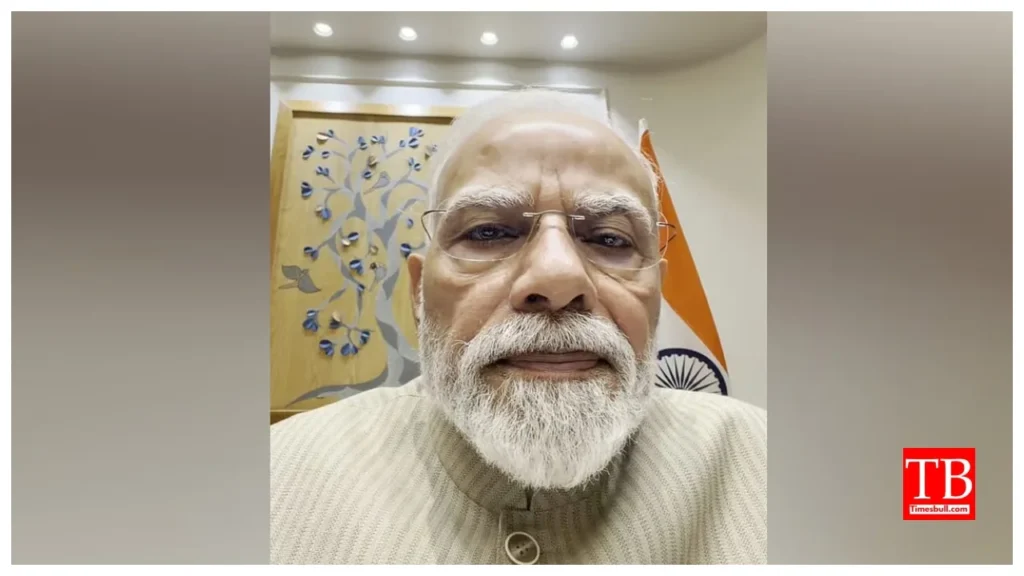
In a recent midnight address, Prime Minister Narendra Modi unveiled plans for a stringent new law aimed at addressing pressing national issues. This announcement comes in the wake of growing public outcry over various social and political challenges facing the country. Modi’s commitment to implement tougher regulations has sparked significant debate among political leaders and citizens alike. The Prime Minister emphasized that this law would serve to reinforce national security and safeguard the interests of the populace. His address seemed aimed at uniting the nation under a common cause, urging citizens to rally together in support of this initiative.
However, the announcement did not go without criticism. Prominent opposition leader Rahul Gandhi swiftly responded, questioning the necessity and implications of such a law. He raised concerns about the potential for overreach and the curtailment of civil liberties that often accompany stringent legal measures. Gandhi’s remarks highlighted the need for a balanced approach that respects democratic values while addressing security concerns. The opposition has been vocal in its skepticism, arguing that the government may be using the guise of national security to suppress dissent and limit individual freedoms.
In addition to Gandhi’s critique, the Citizens for Justice and Peace (CJP), a prominent civil rights organization, joined the call for accountability by demanding the resignation of the Prime Minister. They argue that the government’s approach to governance has increasingly undermined democratic principles and marginalized certain communities. The CJP’s demands reflect a broader sentiment among civil society groups who are concerned about the implications of such legislation on the rule of law and social justice.
The tension between the government and opposition highlights the deepening divides in Indian politics, with both sides entrenched in their positions. As the Prime Minister moves forward with his plans, the discourse surrounding this proposed law will undoubtedly evolve, drawing in various stakeholders from across the political spectrum. The coming weeks will likely see intensified discussions and debates as citizens and leaders alike grapple with the implications of the Prime Minister’s midnight announcement. How this situation unfolds will be critical in shaping the future of governance and civil rights in India.