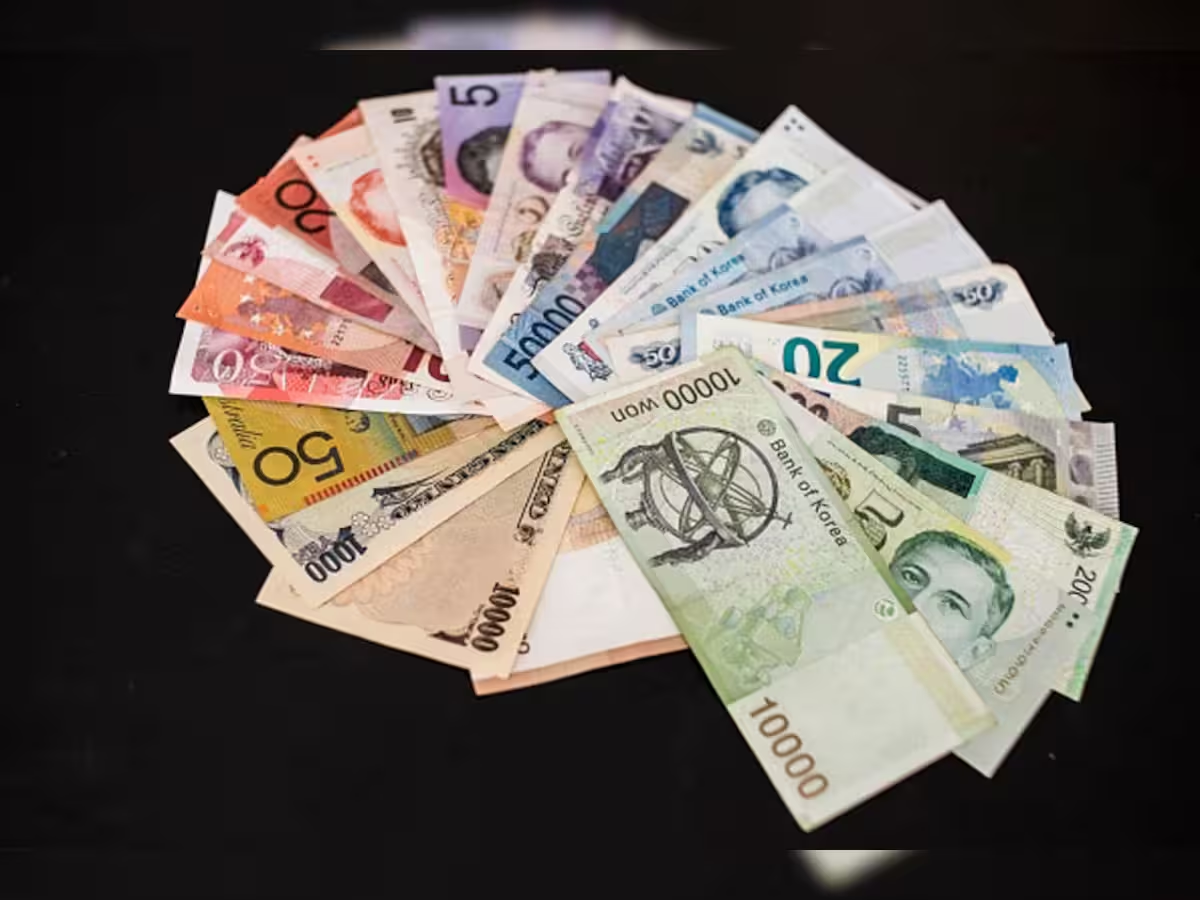
In recent years, several countries, including Australia, have adopted plastic currency notes, also known as polymer notes. These notes are made from a type of plastic that offers numerous advantages over traditional paper currency. The polymer material makes the notes more durable, resistant to wear and tear, and less susceptible to damage from moisture and dirt. Additionally, plastic notes are more secure, as they can incorporate advanced security features that are difficult to replicate, thus helping to combat counterfeiting.
Australia was one of the pioneers in introducing polymer banknotes in the early 1990s, and since then, numerous other countries have followed suit, recognizing the benefits of this innovative currency. Countries like Canada, the United Kingdom, and New Zealand have also transitioned to using polymer notes, enhancing their currency’s longevity and security. The adoption of plastic currency not only improves the physical quality of money but also promotes a more efficient and hygienic means of transaction, especially in a world increasingly concerned about cleanliness and contactless exchanges.
In stark contrast, when we compare the value of Indian currency to these countries, it becomes evident how far the Indian Rupee has to go in terms of global standing. As the Indian economy continues to grow, many are hopeful that the value of the Rupee will strengthen against other major currencies. However, the current exchange rates can often leave one astonished, especially when considering how much purchasing power is needed to match the value of currencies in countries that use polymer notes. The disparity reflects not only economic differences but also highlights the challenges faced by the Indian economy in achieving a more stable currency value in the international market.
Transitioning to a more robust currency system could potentially benefit India immensely, allowing it to align more closely with the economic standards set by countries like Australia. As the world evolves and embraces new technologies, including advancements in currency, it becomes increasingly important for nations to adapt and innovate in order to remain competitive on the global stage. The introduction of plastic notes in more countries signifies a shift toward modernization in finance, and India must consider similar innovations to bolster its economic standing.