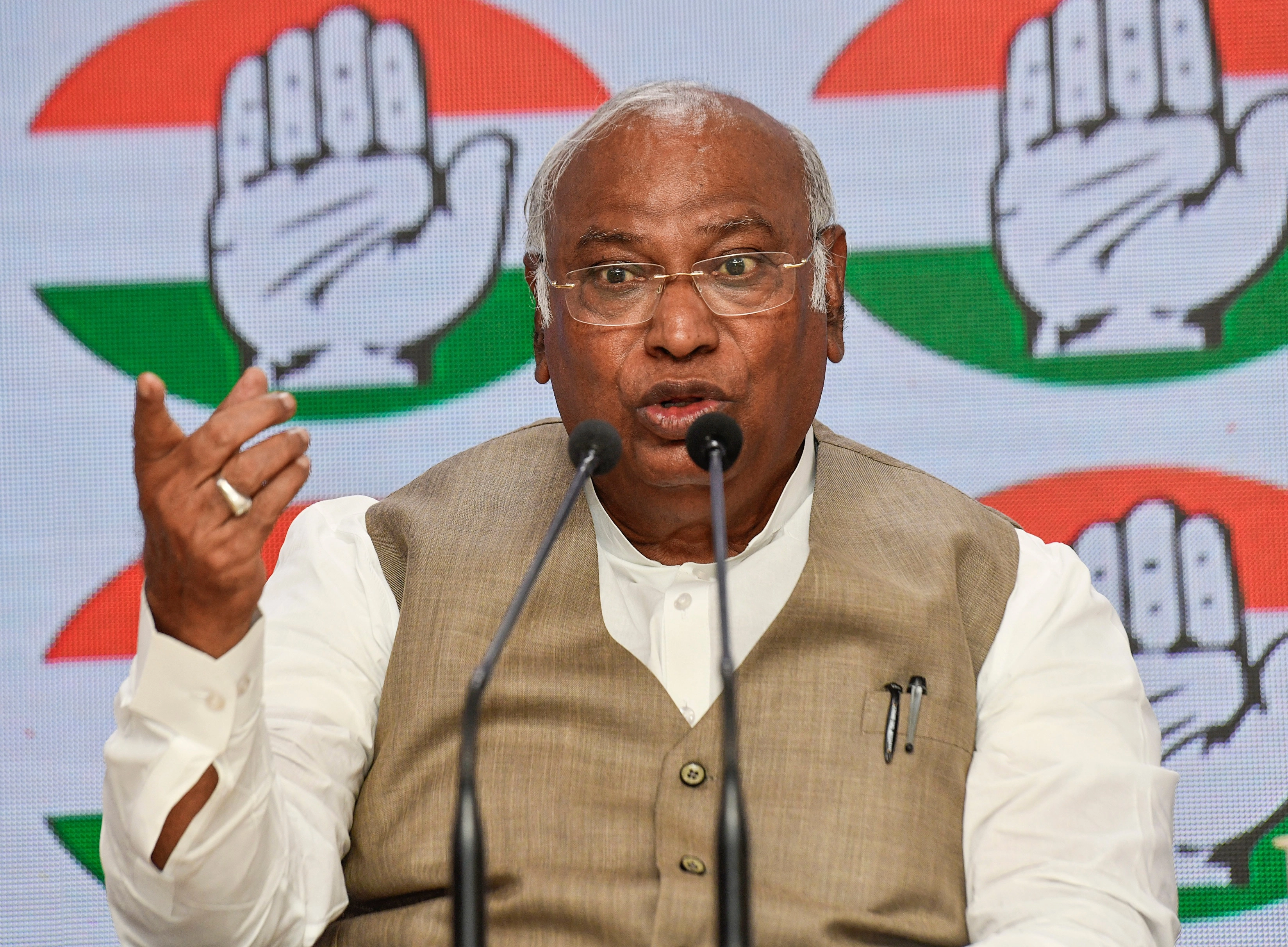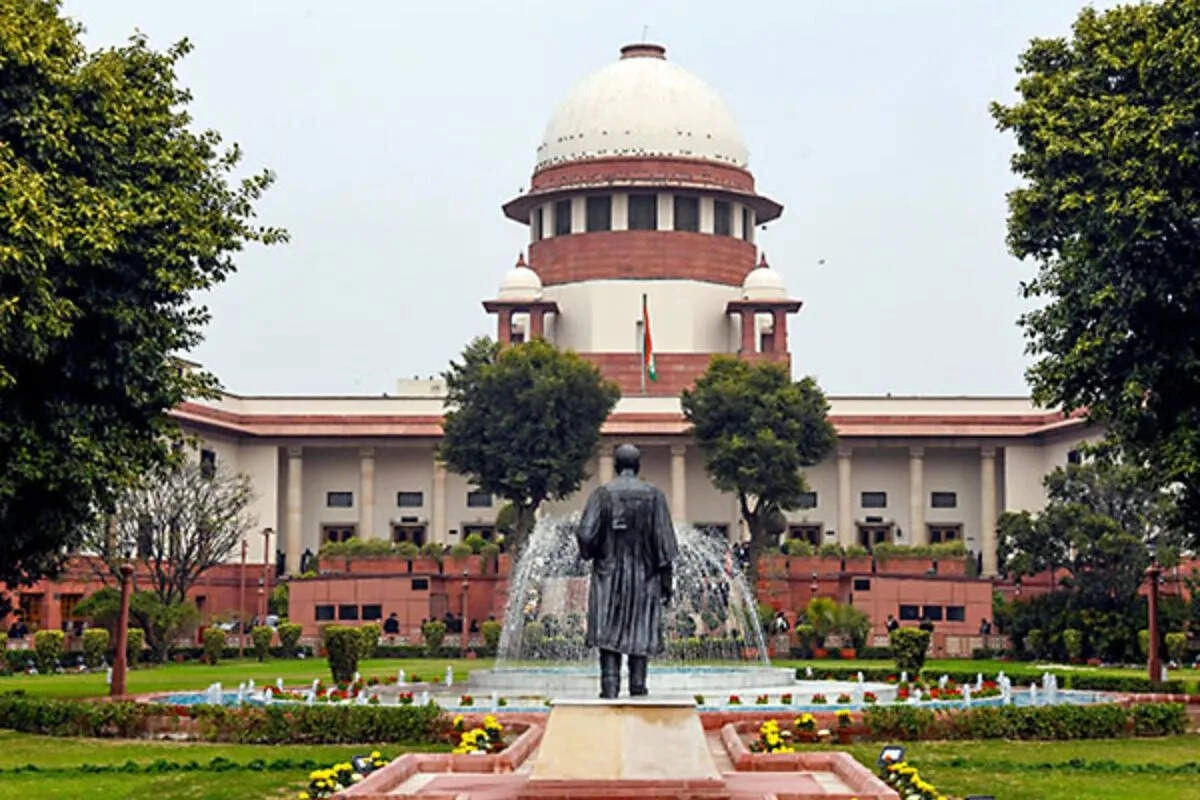
The Chief Justice of India, Surya Kant, expressed his frustration regarding a petition related to Subhash Chandra Bose. During a recent hearing, he remarked that if such petitions continued to be filed, they might impose a ban on the individual’s entry into the Supreme Court. His statement reflects growing concerns about the nature and relevance of certain petitions that are brought before the apex court, particularly those that may seem to lack substantial legal foundation or importance.
Justice Surya Kant’s comments highlight a broader issue within the judicial system where frivolous or irrelevant petitions can consume valuable time and resources. The Supreme Court is often inundated with cases that require serious consideration, and the judiciary must prioritize matters that have significant implications for the public and the law. This is particularly crucial in a country like India, where the legal system is already under considerable strain due to the volume of cases pending before it.
The mention of Subhash Chandra Bose, a prominent figure in India’s struggle for independence, adds another layer to the discussion. Bose is revered by many, and any legal discussions surrounding his legacy must be approached with sensitivity and respect. The Chief Justice’s remarks serve as a reminder that while the judiciary is open to hearing grievances, it also has the responsibility to maintain order and ensure that petitions filed are pertinent and grounded in legal merit. This incident underscores the delicate balance that the judiciary must strike between accessibility and efficiency in the legal process.