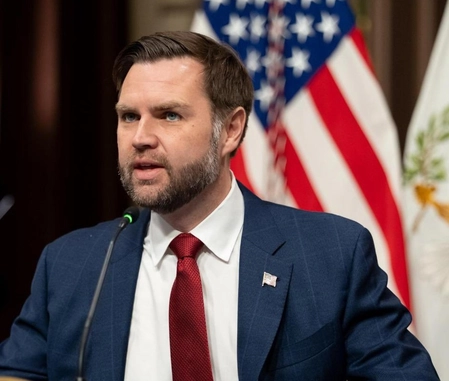
In a recent development, discussions between the United States and Iran extended for more than 20 hours, yet no agreement was reached. JD Vance, a prominent political figure, emphasized the significance of these negotiations while highlighting the lack of progress made. The prolonged dialogue reflects the complexities and challenges inherent in U.S.-Iran relations, which have been characterized by tension and mistrust for decades.
The talks were likely centered on critical issues such as nuclear agreements, regional security, and the ongoing conflicts in the Middle East. Both nations have a history of conflicting interests, which complicates the negotiation process. Despite the extensive duration of the discussions, the absence of a deal indicates that fundamental differences remain unresolved. Vance’s remarks suggest a cautious approach toward interpreting the outcome of these talks, emphasizing that mere dialogue does not equate to tangible results or a pathway to peace.
As the international community closely monitors these developments, the implications of the stalled negotiations could have far-reaching consequences for regional stability and global diplomacy. The lack of a deal may lead to increased tensions, as both countries may feel compelled to assert their positions more aggressively. Moving forward, it is crucial for both the U.S. and Iran to engage in constructive dialogue that prioritizes mutual understanding and respect, aiming ultimately for a resolution that addresses the core issues at stake. The need for continued engagement remains essential, even in the absence of immediate agreements.