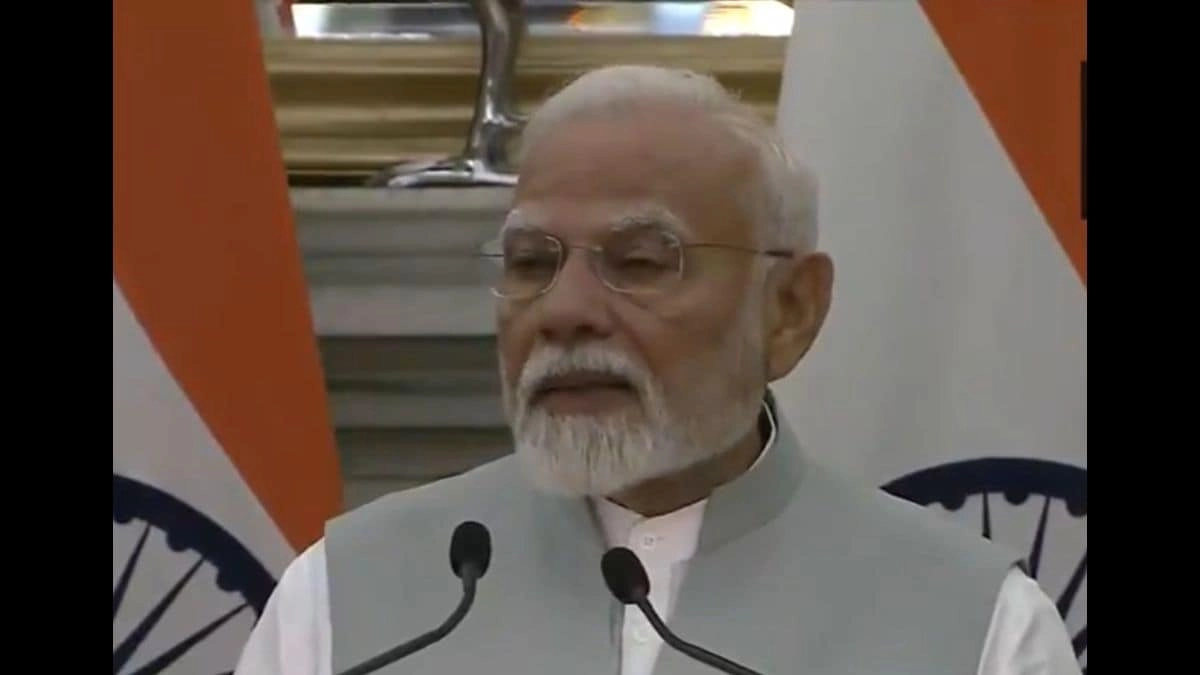
Following Prime Minister Narendra Modi’s visit, the United States has shifted its focus towards Israel. This change in diplomatic engagement highlights the evolving geopolitical landscape in the region, particularly in light of recent developments. Modi’s trip was significant, as it not only strengthened bilateral ties between India and Israel but also underscored India’s growing role on the global stage. The discussions held during this visit likely touched upon various issues, including security, technology, and trade, which are crucial for both nations.
The U.S. aligning itself closely with Israel after Modi’s visit indicates a strategic response to the dynamic interplay of international relations. The United States has historically been a strong ally of Israel, and this renewed focus may also reflect the U.S. administration’s efforts to reinforce its commitments in the Middle East. As tensions continue to rise in the region, Washington’s backing of Israel could be viewed as an attempt to stabilize its strategic partnerships while countering influences from other nations.
This diplomatic maneuvering not only illustrates the interconnectedness of global politics but also emphasizes how a single visit by a leader can influence international relations. As India and Israel deepen their cooperation, it will be interesting to observe how this impacts U.S. policies in the region. The interplay of these relationships will likely shape future dialogues and alliances, making it essential for all parties involved to navigate their interests carefully.