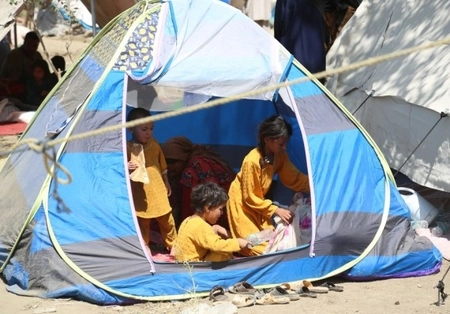
A recent report highlights that Afghanistan is currently facing significant challenges due to a food crisis, ranking as the fifth most affected country in the world. The situation has been exacerbated by a combination of factors, including prolonged conflict, economic instability, and climate change, which have severely impacted agricultural production and food distribution networks. Millions of Afghans are struggling to access sufficient and nutritious food, leading to alarming levels of malnutrition, especially among children and vulnerable populations.
The ongoing political turmoil has further complicated efforts to address the food crisis. With the international community’s focus shifting due to various geopolitical issues, humanitarian aid has been insufficient to meet the urgent needs of the Afghan people. Reports indicate that a substantial portion of the population is facing acute food insecurity, with many families forced to make desperate choices, such as reducing meal sizes or relying on less nutritious food sources.
Efforts by local and international organizations to provide relief have faced significant challenges, including logistical hurdles and security concerns. The situation calls for a concerted response from the global community to not only provide immediate humanitarian assistance but also to support long-term solutions that can help rebuild the country’s agricultural infrastructure. Sustainable development initiatives that focus on enhancing food security and resilience against climate change are crucial for improving the livelihoods of Afghans in the future.
In summary, the food crisis in Afghanistan represents a multifaceted issue that requires urgent attention and action. The international community must prioritize support for the Afghan population, addressing both immediate needs and long-term strategies to foster stability and self-sufficiency in the region. Without a comprehensive approach, the humanitarian situation is likely to deteriorate further, with devastating consequences for millions of people.