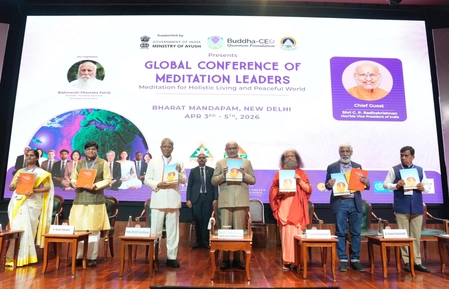
CP Radhakrishnan emphasizes that the most effective mantra for positive change in the fight against substance abuse is to harness the power of ‘meditation.’ He believes that meditation can serve as a formidable weapon in combating the challenges posed by addiction. By focusing on mindfulness and self-awareness, individuals can cultivate a deeper understanding of their thoughts and emotions, which is essential in overcoming the cravings and impulses associated with substance use.
Meditation promotes mental clarity and emotional stability, allowing individuals to confront their struggles with addiction more effectively. It can help in reducing stress and anxiety, which are often triggers for substance abuse. By incorporating meditation into daily routines, individuals can create a sanctuary within themselves, fostering resilience against the pressures of external environments that may lead them back to substance use.
Furthermore, Radhakrishnan suggests that community support and engagement in meditation practices can enhance the overall effectiveness of this approach. Group meditation sessions can provide a sense of belonging and shared purpose, which can be instrumental in recovery. By building a supportive network, individuals can share their experiences and coping strategies, reinforcing their commitment to leading a drug-free life.
In conclusion, CP Radhakrishnan advocates for the integration of meditation into recovery programs as a powerful tool for achieving lasting change. By practicing mindfulness, individuals not only combat their addiction but also embark on a transformative journey towards personal growth and fulfillment. Ultimately, this holistic approach can pave the way for healthier lifestyles and stronger communities, free from the shackles of substance abuse.