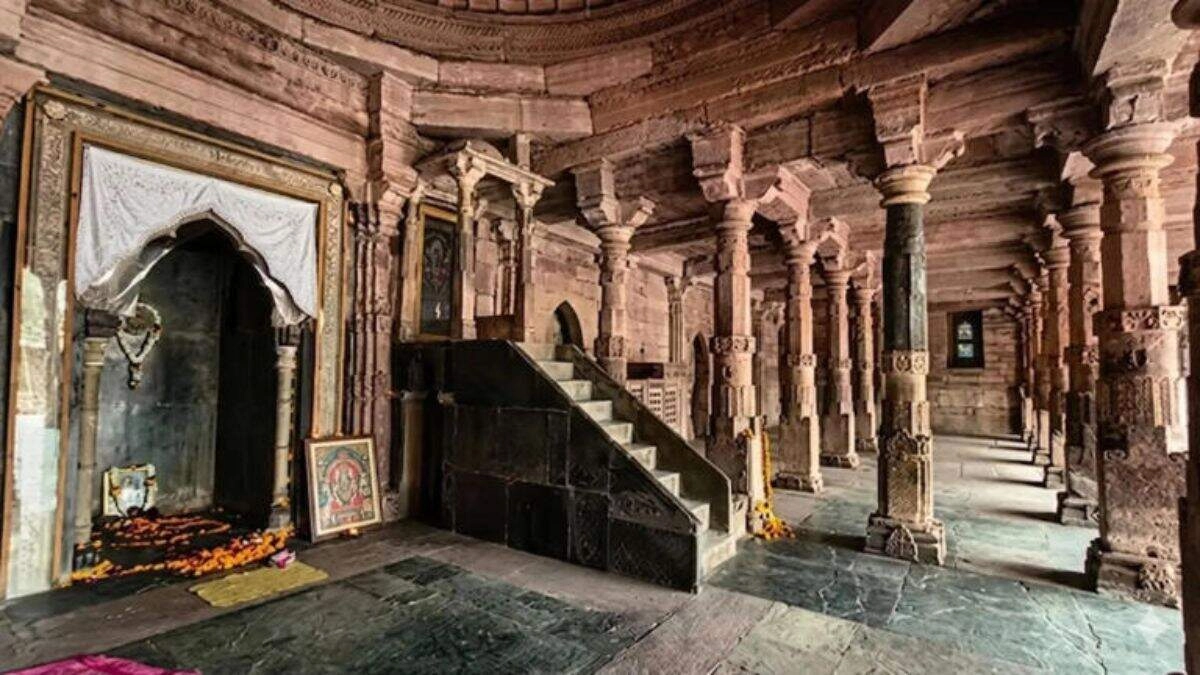
The statue of the goddess Vagdevī, which has been residing in a museum in London for 117 years, carries a fascinating history of its journey from India to England. This ancient artifact, known for its divine significance and artistic craftsmanship, serves as a testament to the rich cultural heritage of India. Vagdevī, often considered the goddess of speech and learning, symbolizes the importance of knowledge and wisdom in Indian traditions. Her statue not only represents religious beliefs but also embodies the artistic expressions of a bygone era.
The journey of the Vagdevī statue began in India, where it was originally created by skilled artisans. Its historical significance and exquisite craftsmanship caught the attention of collectors and scholars. During the colonial period, many artifacts were taken from their native lands to Europe, often under circumstances that reflected the power dynamics of the time. The statue of Vagdevī was no exception; it eventually found its way into a museum in London, where it has been preserved and displayed as a valuable piece of art and history.
The presence of the Vagdevī statue in London has sparked discussions about cultural heritage, colonialism, and the importance of repatriating artifacts to their countries of origin. Many advocates argue that such historical treasures should be returned to India, where they can be appreciated in the context of their cultural significance. The statue not only serves as a symbol of India’s artistic achievements but also as a reminder of the impact of colonialism on cultural heritage. Its story reflects the broader narrative of how artifacts travel across borders, often leading to complex conversations about ownership and identity in a globalized world.
As we delve into the history of the Vagdevī statue, we gain insights into the intersections of art, culture, and history. Its journey from India to England is not merely a tale of displacement; it is also an invitation to reflect on the narratives that artifacts carry with them. The statue stands as a bridge between two cultures, encouraging dialogue about heritage, respect, and the enduring value of human creativity.