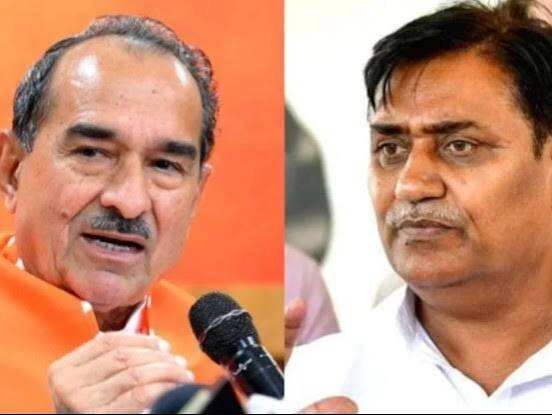
The political landscape of Rajasthan has been ignited by the ongoing student movement at Jantar Mantar. This protest, which has become a focal point for various issues affecting students, has drawn significant attention from political leaders across the state. The situation escalated further when footage emerged showcasing a heated exchange of words between two prominent political figures, Govind Singh Dotasra and Madan Rathore. Their intense debate reflects the underlying tensions and differing perspectives on the current student issues, revealing the rift that exists within the political framework of Rajasthan.
Dotasra, who is associated with the ruling party, defended the government’s stance on education policies and student welfare, while Rathore, representing the opposition, criticized the government’s actions and called for more substantial reforms. Their confrontation not only highlights the political rivalry but also underscores the urgent need for addressing the grievances raised by the student community. The Jantar Mantar protests serve as a platform for students to voice their concerns regarding educational access, quality, and affordability, making it a critical moment for policymakers to engage with the youth.
As the movement continues to gain momentum, it is clear that the issues at stake are not just about immediate student demands but also reflect broader systemic challenges within the education sector in Rajasthan. The political ramifications of this protest could shape the future of student policies and political alliances in the state. The intense reactions from both Dotasra and Rathore signify that the student movement has captured the attention of the political elite, potentially influencing their strategies as they prepare for upcoming elections. The unfolding situation at Jantar Mantar is a reminder of the power of collective action and the role of youth in shaping political discourse.