
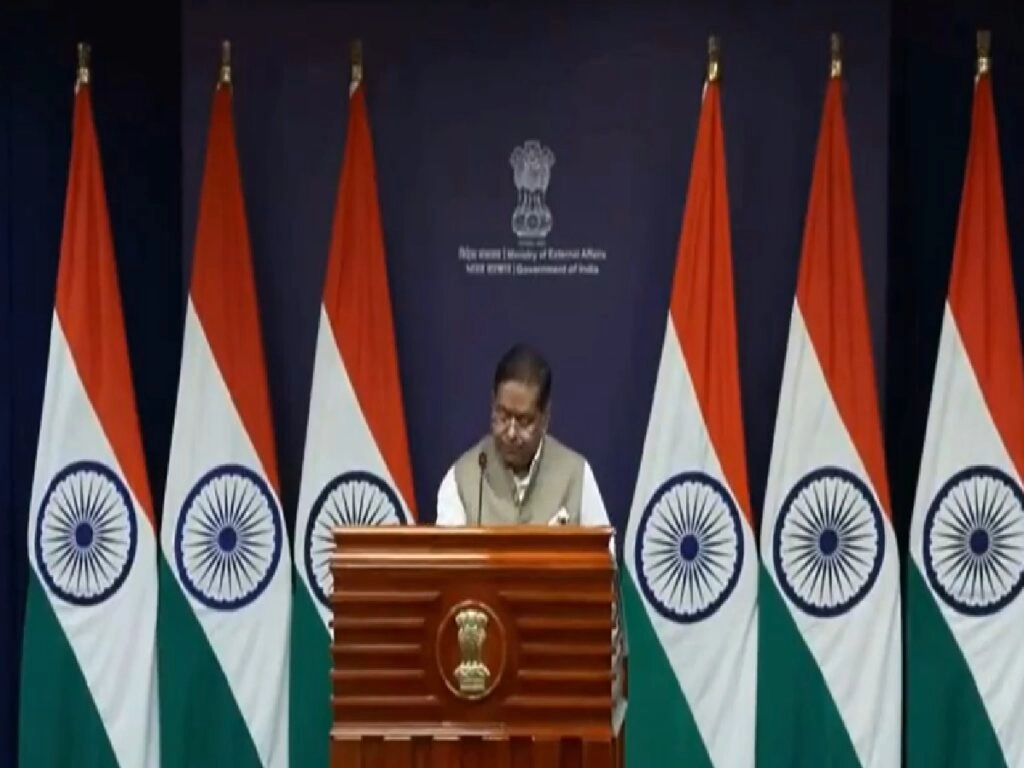
The recent student protests at Jantar Mantar, a prominent site for demonstrations in New Delhi, have garnered significant attention amid allegations of foreign funding influencing the movement. These protests, primarily driven by student organizations advocating for various educational reforms and social issues, have raised questions regarding the sources of their financial support. The Ministry of External Affairs (MEA) of India has been approached for clarification on these claims, but officials have stated that they possess no information to share at this time.
The protests have become a focal point for discussions on the role of funding in shaping activism and the potential implications of foreign influence on domestic issues. Activists argue that their movements are rooted in genuine grievances related to education, employment, and social justice, while critics are concerned about the transparency of funding sources. This situation has intensified scrutiny on the funding mechanisms that support such protests and has sparked debates about the boundaries of foreign involvement in Indian civil society.
While the MEA’s lack of information may suggest a gap in oversight or knowledge regarding the funding of these protests, it also highlights the complexities of regulating and monitoring foreign contributions to domestic movements. As calls for accountability grow, the government faces the challenge of balancing the right to protest and free expression with the need to ensure that such movements are not unduly influenced by external entities. The ongoing discourse surrounding these protests reflects broader concerns about national sovereignty, the integrity of grassroots movements, and the potential for foreign interests to intersect with local struggles.


