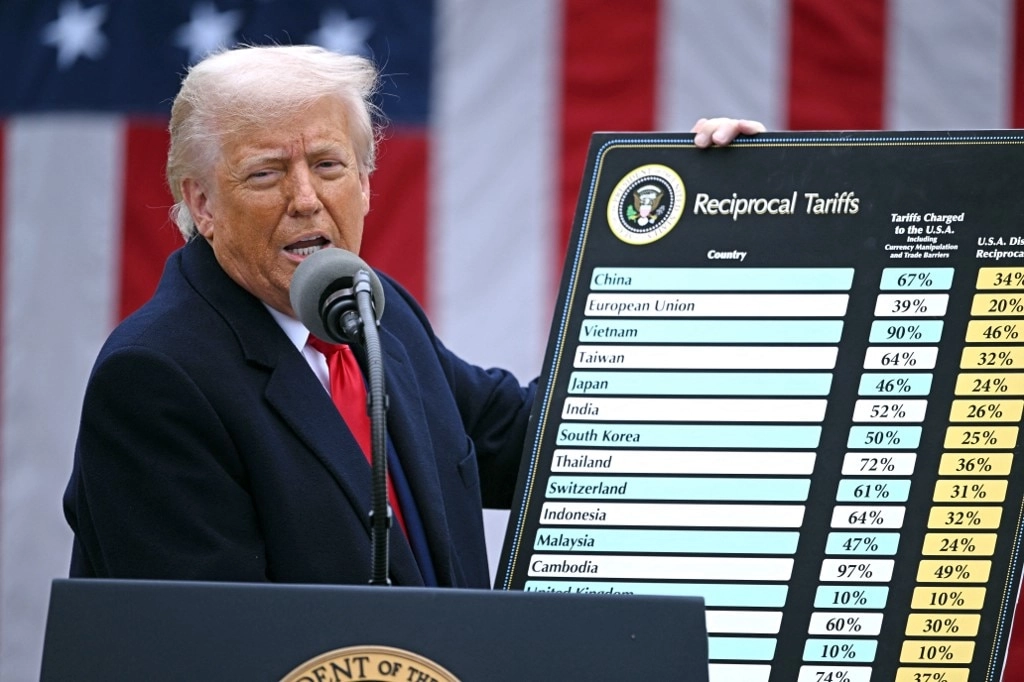
This week, stock markets around the world have been heavily influenced by the ongoing tariff war between the United States and China, a situation that has dominated headlines and financial news. Investors have been grappling with the implications of escalating trade tensions, as the potential for new tariffs could significantly impact corporate earnings and global economic stability. Market analysts have noted that fluctuations in stock prices are often tied to the latest developments in trade negotiations, with every tweet or statement from President Trump or Chinese officials causing ripples in investor sentiment. The uncertainty surrounding these tariffs has created a volatile trading environment, prompting many to reassess their investment strategies.
President Trump’s administration has been at the forefront of this trade conflict, advocating for measures to counteract what it perceives as unfair practices by China. This week, Trump made headlines with his comments on the ongoing negotiations, hinting at the possibility of further tariffs on Chinese imports. Such remarks have raised concerns among investors about the potential for a prolonged standoff, which could hinder economic growth in both countries and beyond. The stock market’s reaction to these developments has been one of caution, with many investors opting to adopt a wait-and-see approach as they monitor the situation closely.
As the week progressed, the implications of the tariff war became more pronounced. Companies that rely heavily on international trade or have significant exposure to the Chinese market saw their stocks fluctuate dramatically. Industries such as technology, manufacturing, and agriculture have been particularly affected, as supply chains are disrupted and costs increase due to tariffs. Analysts are keenly observing how these factors will influence corporate earnings reports in the coming quarters. The overall sentiment in the markets reflects a growing unease about the potential for a drawn-out trade conflict that could affect not only U.S.-China relations but also the broader global economy.
In summary, the tariff war with China continues to be a pivotal issue that shapes stock market dynamics and investor behavior. With President Trump taking a leading role in this narrative, the uncertainty surrounding trade policies and their economic ramifications remains a key concern for market participants. As investors navigate this challenging landscape, they are compelled to stay informed and agile, adapting their strategies in response to the evolving situation. The coming weeks will likely bring new developments that could either alleviate or exacerbate these tensions, further impacting market performance.