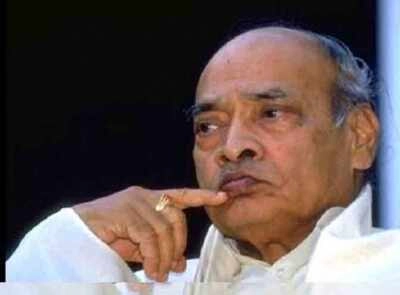
P.V. Narasimha Rao is a notable figure in Indian politics, having served as the Prime Minister from 1991 to 1996. His tenure marked a significant turning point in the country’s economic landscape, as he played a crucial role in ushering in economic liberalization, which transformed India from a closed economy to one that was more open and globally integrated. However, despite his pivotal contributions to the Congress Party and the nation, Rao’s own party members often did not fully embrace him, leading to a complex legacy.
Rao took office during a period of severe economic crisis, and his leadership was instrumental in implementing reforms that laid the foundation for India’s rapid economic growth in the subsequent decades. His government introduced measures that encouraged foreign investment, dismantled tariffs, and reduced bureaucratic red tape. These reforms were not only vital for revitalizing the Indian economy but also for positioning India as a competitive player on the global stage. Yet, his relationship with the Congress Party was fraught with tension, as many party members viewed him as an outsider.
The disconnect between Rao and the Congress Party can be attributed to various factors, including his leadership style and the political climate of the time. Many Congress leaders felt sidelined by his decisions, which often favored technocrats and economic experts over traditional party loyalists. This created a rift that was not easily bridged, leading to a perception among some party members that Rao was not one of them. His pragmatic approach to governance, while effective in addressing economic challenges, did not resonate with the party’s more ideologically driven factions.
Despite the lack of support from within his own party, Rao’s legacy endures through the economic reforms he championed and the political landscape he helped shape. He is often credited with laying the groundwork for the economic policies that subsequent governments would build upon. However, the ambivalence towards him within the Congress Party serves as a poignant reminder of the complexities of political alliances and the challenges of leadership in a diverse and dynamic political environment. In the annals of Indian history, P.V. Narasimha Rao stands as a transformative leader, whose contributions are recognized, albeit with a sense of irony regarding his acceptance by his own party.