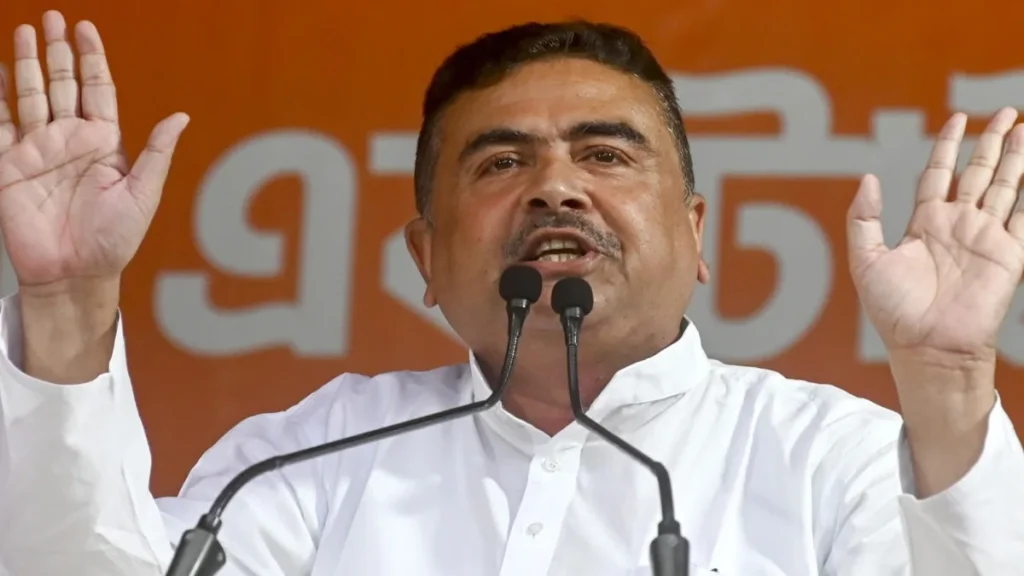
Suvendu Adhikari, a prominent political figure in West Bengal, has taken a decisive step in addressing the issue of illegal immigration in the region. Under his directive, the administration of all districts in West Bengal has been instructed to identify and detain individuals who are believed to be infiltrators, specifically targeting Bangladeshi nationals and Rohingya refugees. This move comes amid growing concerns about the security and demographic changes in the state, which has been a focal point for discussions surrounding illegal immigration for years.
The government’s order emphasizes the establishment of detention centers where these individuals will be held pending further legal and administrative processes. The directive reflects a broader national discourse on immigration and border security, with various political factions advocating for stricter measures to control the influx of non-citizens. Adhikari’s stance is likely to resonate with a significant section of the electorate who prioritize national security and are concerned about the socio-economic implications of unauthorized migration.
Moreover, this initiative raises a multitude of questions regarding human rights, the treatment of refugees, and the legal frameworks governing immigration. Critics may argue that such measures could lead to the wrongful detention of innocent individuals, including those fleeing persecution. The Rohingya, in particular, have faced immense hardships and are recognized globally as one of the most vulnerable populations. The challenge for the West Bengal administration will be to balance the enforcement of immigration laws with the need to uphold human rights and provide necessary protections for those seeking asylum.
As the situation develops, the impact of these measures on local communities and the political landscape in West Bengal will be closely monitored. Adhikari’s government appears to be positioning itself firmly on the side of stringent immigration control, which may influence future electoral outcomes and the broader dialogue about citizenship and belonging in India. The effectiveness and humaneness of these policies will likely be scrutinized by civil society organizations and the international community, making it a pivotal moment in West Bengal’s ongoing narrative around immigration and identity.