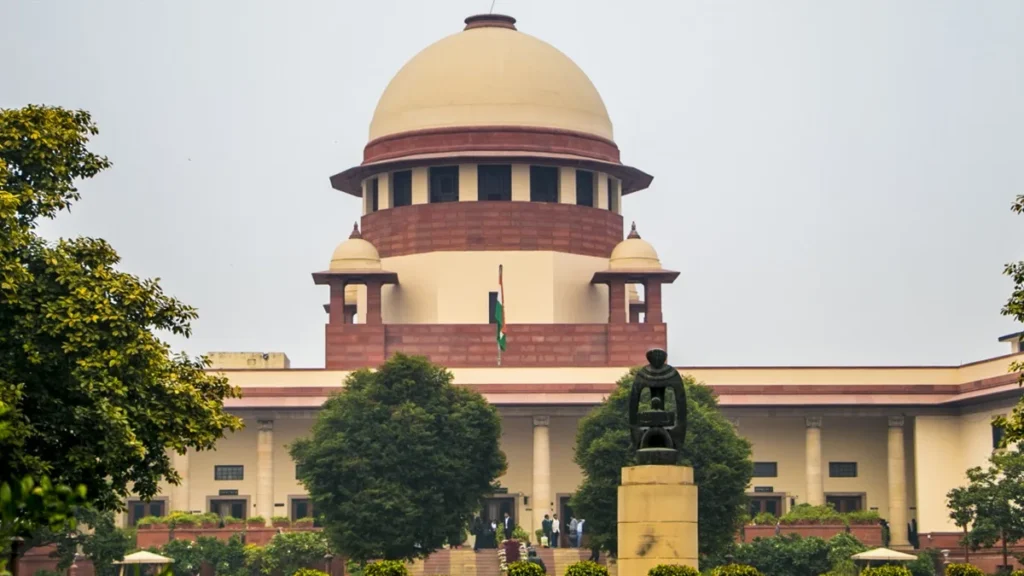
The Supreme Court of India recently addressed a significant question regarding citizenship and its relationship with electoral rolls. The case raised the issue of whether an Indian citizen automatically loses their citizenship if their name is not included in the voter list. This question is particularly relevant in the context of the ongoing debates about citizenship rights and the implications of being excluded from official registers. The court’s deliberation on this matter highlights the complexities surrounding citizenship laws in India and their enforcement.
In its ruling, the Supreme Court clarified that the absence of a name from the voter list does not automatically result in the loss of Indian citizenship. The court emphasized that citizenship is a fundamental right protected under the Constitution of India and cannot be revoked merely because an individual’s name is missing from electoral records. This decision is crucial, as it reassures citizens that their rights are not contingent upon their registration status in the electoral rolls, thus protecting them from arbitrary loss of citizenship.
The court’s judgment also reflects its commitment to upholding democratic principles and ensuring that citizens are not disenfranchised without due process. It reaffirmed that citizenship is a legal status that involves comprehensive criteria and cannot be simply nullified based on administrative oversights or lapses. The Supreme Court’s stance serves as a reminder of the importance of safeguarding individual rights and ensuring that the electoral system functions transparently and fairly. This ruling sets a precedent that could influence future cases related to citizenship and voter registration in India.