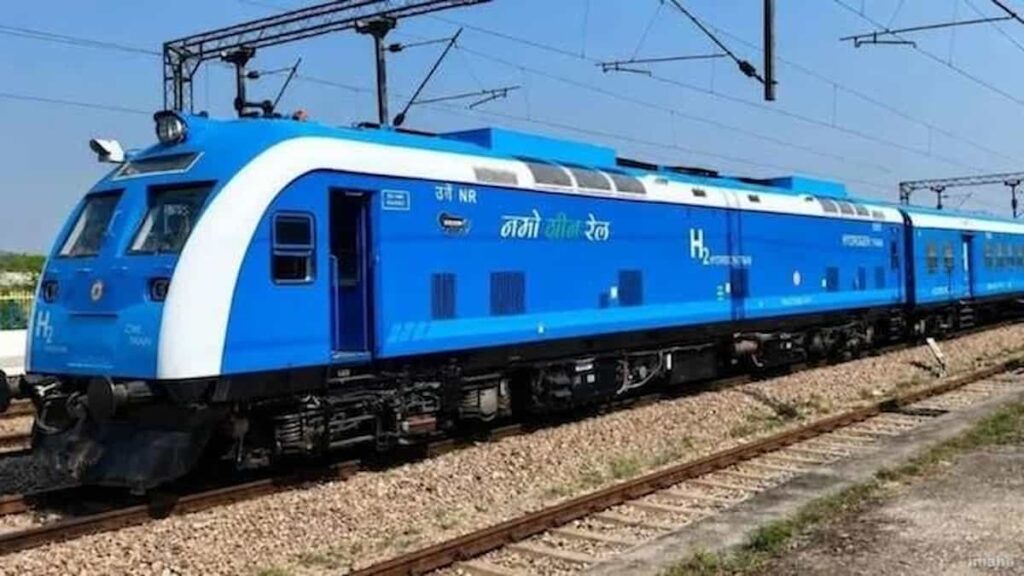
India has recently launched its first hydrogen-powered train, marking a significant milestone in the country’s efforts to embrace sustainable and eco-friendly transportation. One of the most striking aspects of this new service is the fare, which is set at just ₹5, making it an incredibly affordable option compared to train travel in countries like Japan or England. In those nations, rail fares can be quite steep, often making it a luxury for many travelers. The introduction of this hydrogen train not only highlights India’s commitment to reducing carbon emissions but also aims to provide a cost-effective means of transportation for its citizens.
The hydrogen train operates using fuel cell technology, which converts hydrogen into electricity, resulting in zero emissions during its operation. This innovative mode of transport is seen as a game-changer in the Indian rail network, which is one of the largest in the world. The government’s push towards greener alternatives is part of a broader strategy to enhance the efficiency of public transport while minimizing environmental impact. By adopting such technologies, India hopes to set a precedent for other countries looking to transition towards cleaner energy solutions.
Moreover, the economic implications of this development are significant. With the low fare structure, the hydrogen train is expected to encourage more people to opt for rail travel over other forms of transportation, thereby reducing traffic congestion and pollution in urban areas. This move will not only benefit the environment but also foster economic growth by making travel more accessible to a larger population. As India continues to invest in renewable energy and sustainable infrastructure, the hydrogen train stands as a symbol of progress and innovation, showcasing how technology can be harnessed to improve public transport systems while addressing pressing environmental concerns.