Upon reaching adulthood, the victim made the decision to marry the very individual who had previously been labeled as the ‘culprit’ in her life. This complex situation underscores the intricacies of personal relationships and the sometimes convoluted nature of the legal system. The case took a significant turn when the Supreme Court exercised its special powers to fully acquit the husband, thereby overturning any prior convictions associated with the case. This acquittal raises questions about the circumstances surrounding their marriage and the dynamics that led to such a decision.
The relationship between the victim and her husband is emblematic of the challenges faced by individuals who have experienced trauma. It is not uncommon for victims to form bonds with their perpetrators, a phenomenon that can be influenced by various psychological factors, societal pressures, and personal circumstances. By marrying the man who was once deemed a convict, the victim may have sought a path toward healing or reconciliation, reflecting a complicated interplay of love, forgiveness, and societal judgment.
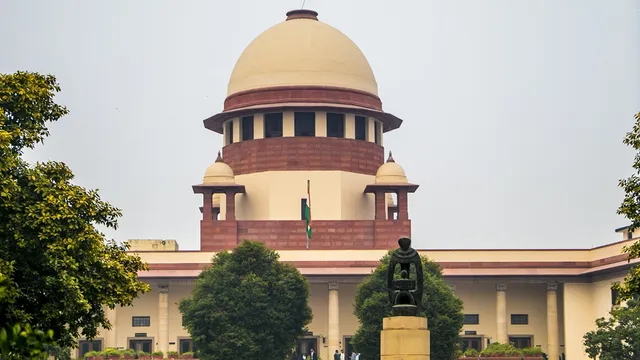
The Supreme Court’s intervention in this case highlights the judicial system’s role in addressing complex personal narratives. Through its special powers, the court has chosen to absolve the husband of his past, a decision that can be interpreted in multiple ways. While it may signify a second chance for the couple, it also prompts a broader discussion regarding justice, accountability, and the potential for redemption within the legal framework. Ultimately, this case serves as a poignant reminder of the multifaceted nature of human relationships and the ongoing dialogue surrounding justice and personal agency.