The emergence of a ‘Super El Niño’ phenomenon has raised significant concerns in Asia, particularly in the context of ongoing conflicts in the Middle East. El Niño is a climate pattern characterized by the warming of ocean surface temperatures in the central and eastern Pacific, which can lead to drastic weather changes across the globe. The current ‘Super El Niño’ is expected to intensify these effects, potentially exacerbating already precarious situations in various regions, especially in Asia, where many countries are still grappling with the repercussions of the Middle East conflict.
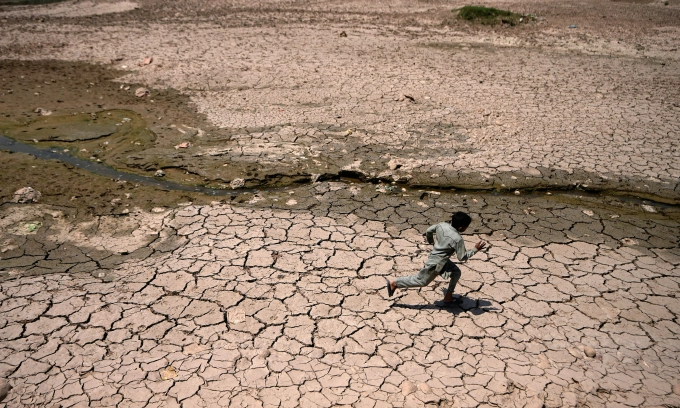
Countries in Asia may experience a range of extreme weather events, including heavier rainfall, flooding, and prolonged droughts, as the effects of El Niño ripple through the atmosphere. This could disrupt agricultural production, threaten food security, and lead to economic instability in nations that are already vulnerable due to conflicts and political turmoil. The interplay between these climatic changes and the socio-political landscape in Asia presents a complex challenge that demands immediate attention from governments and humanitarian organizations.
Moreover, the Middle East conflict has created a humanitarian crisis that could be further exacerbated by the adverse weather conditions associated with the ‘Super El Niño.’ Displacement of populations, increased pressure on resources, and heightened tensions among communities are just a few of the potential outcomes. As countries in Asia brace for the impacts of this climate phenomenon, there is an urgent need for comprehensive strategies that address both the environmental and humanitarian challenges. Collaborative efforts across nations will be essential in mitigating the risks posed by both the climate crisis and ongoing conflicts, ensuring that vulnerable populations receive the support they need to navigate these turbulent times.