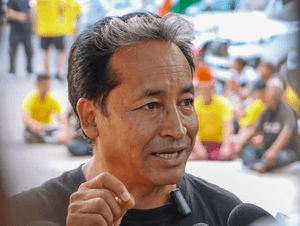
Sonam Wangchuk, a prominent engineer and environmental activist, has had his National Security Act (NSA) detention revoked following the swearing-in of Brigadier (Retd) BD Saxena as the Lieutenant Governor of Ladakh. Wangchuk, known for his innovative approaches to sustainable development and education in the region, was detained under the NSA, a law that allows for preventive detention to maintain public order and security. His detention had raised significant concerns among his supporters and human rights advocates, who argued that it was an infringement on his rights and a suppression of his voice.
The revocation of Wangchuk’s detention marks a pivotal moment, especially given the changing political landscape in Ladakh with the new leadership. Saxena’s oath-taking as LG signals a shift in governance, and it appears that the authorities are reassessing their stance on individuals who actively advocate for environmental sustainability and local rights. Wangchuk’s work, particularly in promoting eco-friendly practices and preserving the unique cultural heritage of Ladakh, has been crucial in raising awareness about the environmental challenges faced by the region.
As news of Wangchuk’s release spreads, it is likely to galvanize support for his ongoing initiatives and campaigns. His ability to mobilize communities and inspire change has made him a key figure in Ladakh’s socio-environmental landscape. The lifting of the NSA detention could enable him to continue his work without the shadow of legal limitations, potentially leading to increased collaboration with local organizations and government bodies focused on sustainable development.
The situation underscores the delicate balance between governance, public order, and individual freedoms in regions like Ladakh, which are undergoing rapid changes. With new leadership at the helm, there is an opportunity for dialogue and cooperation between activists like Wangchuk and the government, which could pave the way for more inclusive policies that address both environmental concerns and the needs of local populations. As the region continues to navigate its identity and future, Wangchuk’s voice will undoubtedly play a significant role in shaping the discourse around development and sustainability in Ladakh.