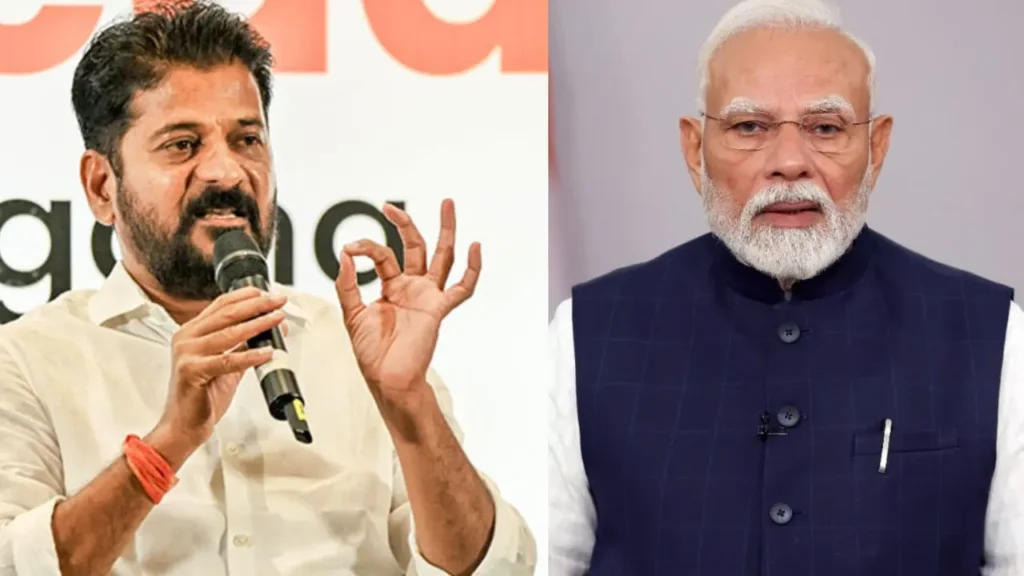
Revanth Reddy, a prominent political figure, recently expressed his strong dissatisfaction with the central government’s approach to crop procurement. During a press conference, he articulated the grievances of farmers who have been facing numerous challenges in getting fair prices for their produce. Reddy emphasized the urgency of the situation, warning that if the government does not take effective action by June 15, it may lead to widespread agitation among the farming community. His statements reflect a growing frustration among farmers who feel neglected and unheard in the face of ongoing agricultural issues.
The procurement of crops is a critical aspect of the agricultural economy, and Reddy’s comments highlight the pressing need for timely interventions to support farmers. He called on the central government to address the shortcomings in the procurement process, which has left many farmers struggling to make ends meet. Reddy’s warning of potential protests underscores the seriousness of the situation and the determination of the agricultural community to fight for their rights and livelihoods. The impact of inadequate procurement policies can be devastating, leading to financial instability for farmers and affecting food security in the region.
As pressure mounts on the central government to respond to these concerns, the agricultural sector remains on edge. The upcoming deadline of June 15 serves as a critical juncture for both the farmers and the government. Reddy’s passionate appeal is not only a call to action but also a plea for the recognition of the hardships faced by farmers across the country. If the government fails to act, it risks igniting a wave of protests that could disrupt the agricultural landscape and further complicate an already challenging situation for those who depend on farming for their livelihoods. The outcome of this standoff could have significant implications for the future of agricultural policy and farmer welfare in the region.