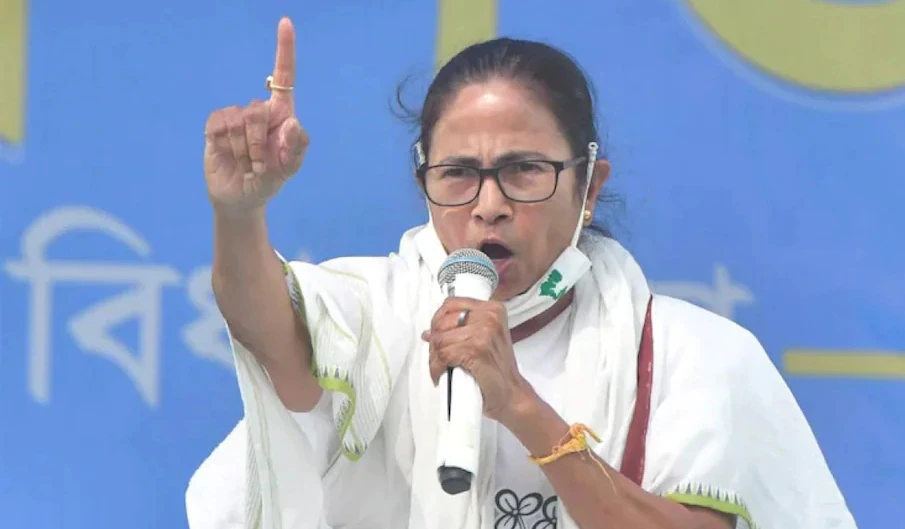
In a significant turn of events, approximately 2,500 party offices have reportedly been demolished, a move that has sparked outrage among political leaders and activists alike. Mamata Banerjee, the Chief Minister of West Bengal and a prominent figure in Indian politics, has made serious allegations regarding this demolition, claiming that it is part of a larger strategy to suppress opposition voices. She has vowed to organize protests in response to what she perceives as an attack on democracy and the fundamental rights of political parties.
The demolition of these offices not only raises questions about the political climate in the region but also highlights the ongoing tensions between the ruling party and opposition groups. Mamata Banerjee has expressed her determination to stand against what she calls authoritarian tactics, emphasizing the importance of protecting political spaces for all parties. Her call for protests signifies a rallying point for her supporters and could potentially mobilize a wider audience concerned about the erosion of democratic practices.
As the situation unfolds, the implications of these actions are significant. The demolition of party offices can be seen as a symbolic act that aims to diminish the presence and influence of opposition parties, potentially skewing the political landscape in favor of the ruling government. Mamata’s allegations underscore the broader struggle for political freedom and the right to dissent in a diverse and pluralistic society. The coming days will likely see heightened political activity as various factions respond to these developments, making it a crucial moment in West Bengal’s political narrative.
In this charged atmosphere, the need for dialogue and peaceful resolution becomes paramount. The political scene in West Bengal is known for its vibrancy and activism, and the protests led by Mamata Banerjee will test the resilience of democratic processes in the face of perceived injustices. As citizens and political leaders prepare to engage in discussions and demonstrations, the outcome of this situation may have lasting effects on the region’s governance and civil liberties. The eyes of the nation will undoubtedly be on West Bengal as it navigates this critical juncture in its political history.