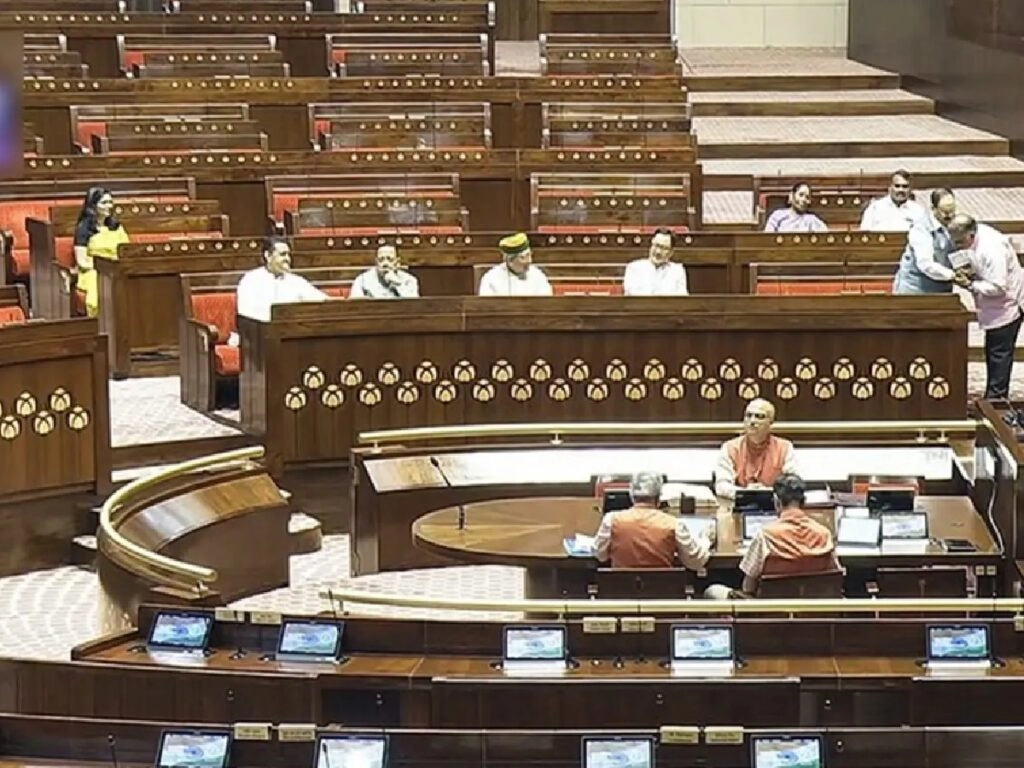
The political landscape of India is undergoing a significant transformation as the Rajya Sabha prepares for the 2026 elections. The Bharatiya Janata Party (BJP) is making a historic move that could potentially change the dynamics of the upper house of Parliament. With strategic planning and alliances, the National Democratic Alliance (NDA) is positioning itself closer to achieving a majority in the Rajya Sabha, which would mark a pivotal moment in Indian politics.
The Rajya Sabha, being one of the two houses of Parliament, plays a crucial role in shaping legislation and influencing policy decisions. A majority in this house would empower the BJP and its allies to push forward their legislative agenda with greater efficacy. The NDA’s efforts to garner support from various regional parties and independent candidates reflect a calculated approach to strengthen its foothold in the Rajya Sabha. This strategy not only involves winning seats in upcoming elections but also negotiating collaborations that could enhance their overall count.
As the 2026 elections approach, the political maneuvering within the NDA and among opposition parties is intensifying. The BJP’s ability to secure a majority in the Rajya Sabha could lead to significant legislative changes and reforms, impacting various sectors across the country. The implications of this shift could resonate beyond immediate political gains, influencing governance and policy-making for years to come.
In conclusion, the BJP’s ambitious strategy for the Rajya Sabha in 2026 is indicative of its broader vision for Indian politics. By coming close to a majority, the NDA aims to consolidate its power and implement its agenda more effectively. This development is not just a numerical achievement but a reflection of the changing political alliances and the evolving nature of governance in India. As the situation unfolds, all eyes will be on the upcoming elections and the potential shifts in power dynamics within the Rajya Sabha.