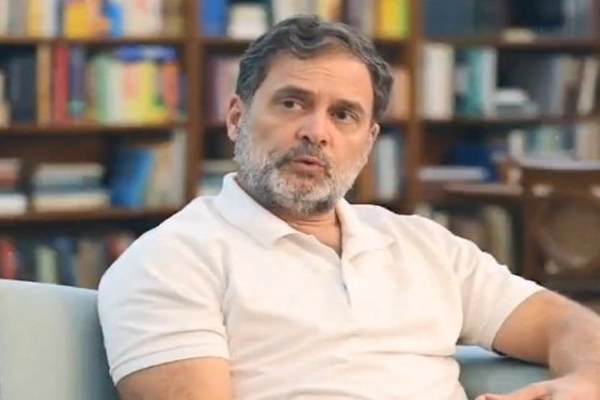
Rahul Gandhi’s recent comments regarding “Kerala Story 2” reflect a noticeable disconnect with the audience and the current cultural landscape. His statements appear to dismiss the film’s significance and the conversations it has sparked within society. By overlooking the film’s context and its potential impact, Gandhi risks alienating a segment of the population that resonates with the themes presented in the movie. This disconnect underscores a broader issue of political figures engaging with cultural products without fully understanding their implications or the sentiments of the viewers.
“Kerala Story,” and its anticipated sequel, have become focal points of discussion, particularly in relation to sensitive topics such as identity, faith, and social issues in India. The film has garnered attention for its portrayal of certain narratives that resonate with the experiences of many. Gandhi’s remarks may inadvertently suggest a lack of awareness of the prevailing sentiments among the populace, particularly in Kerala, where the film’s themes are deeply rooted in local socio-political realities.
As political leaders navigate the complex landscape of cultural narratives, it is essential for them to engage meaningfully with the content that influences public discourse. By dismissing “Kerala Story 2,” Gandhi not only risks misrepresenting the film’s impact but also undermines the importance of understanding the diverse perspectives that shape public opinion. This situation serves as a reminder that political engagement must evolve to include a more nuanced understanding of cultural expressions and their significance to various demographics. Engaging with art and cinema can provide valuable insights into the collective psyche of the nation, and leaders should strive to connect with these narratives rather than dismiss them outright.