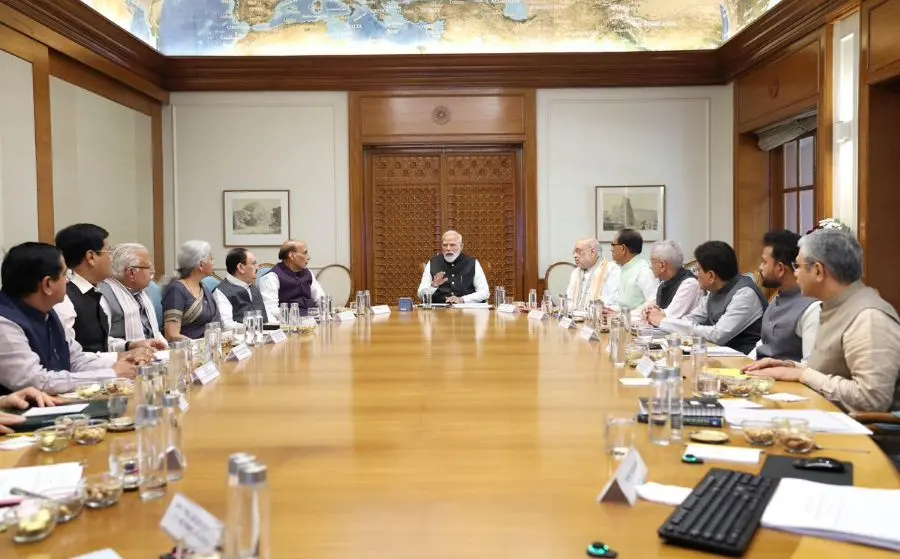
Prime Minister Narendra Modi convened a crucial meeting to assess the current status of oil and gas supplies amidst the ongoing conflict between the United States and Iran, which has now entered its fourth week. The meeting aimed to evaluate the potential impacts of the geopolitical situation on India’s energy security and discuss strategies to ensure a stable supply of oil and gas for the nation. As the conflict escalates, fluctuations in global oil prices and supply disruptions could have significant repercussions for the Indian economy, which heavily relies on imported energy resources.
During the meeting, PM Modi emphasized the importance of proactive measures to safeguard India’s energy interests. He instructed relevant officials to closely monitor international developments and engage with key stakeholders in the oil and gas sector. The Prime Minister highlighted the need for diversifying India’s energy sources to reduce dependence on any single country or region. This approach would not only enhance the country’s energy security but also contribute to long-term sustainable growth.
Additionally, the meeting addressed the potential for increasing domestic production of oil and gas, as well as exploring renewable energy options. Officials discussed various initiatives that could be implemented to bolster the energy sector, ensuring that India remains resilient in the face of global uncertainties. The government is committed to maintaining a balance between meeting the ever-growing energy demands of the population and adhering to environmental sustainability goals.
As the situation develops, India is likely to navigate its energy policies with a focus on diplomacy and collaboration with other nations. By fostering strong international relationships, India aims to secure stable energy supplies while also positioning itself as a significant player in the global energy market. The outcomes of this meeting will play a pivotal role in shaping India’s energy strategy in the weeks and months to come, as the country seeks to mitigate risks associated with geopolitical tensions.