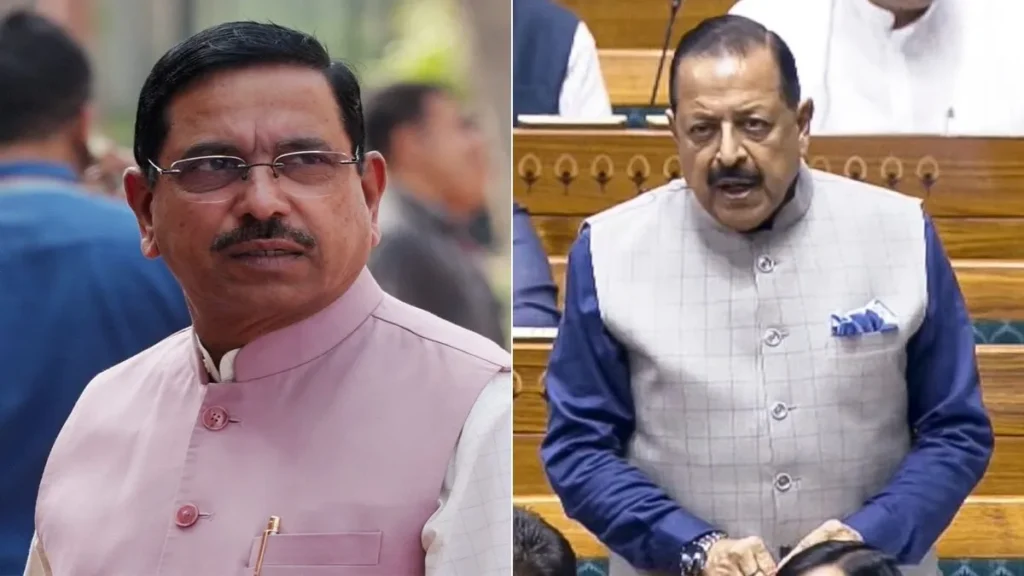
The introduction of the Paper Leak Bill has sparked considerable discussion, particularly regarding why it was initiated by a minister other than the Education Minister. The key reason behind this shift lies in the growing concern over the integrity and fairness of examinations in the education sector. Paper leaks have been a persistent issue, undermining the credibility of academic assessments and leading to widespread calls for reform. By appointing a different minister to champion this initiative, the government aims to emphasize the importance of the issue and signal a commitment to addressing it comprehensively.
The Paper Leak Bill is designed to implement stringent measures to prevent the unauthorized distribution of examination materials. It seeks to establish a framework for accountability among those involved in the examination process, from the preparation of question papers to their eventual distribution. This includes enhanced security protocols, regular audits, and severe penalties for those found guilty of facilitating or participating in paper leaks. The government recognizes that safeguarding the integrity of examinations is crucial for maintaining public trust in the educational system.
Moreover, the decision to have a minister outside of the Education Ministry take the lead on this bill reflects a broader strategy to tackle systemic issues within the education sector. It underscores the idea that the fight against paper leaks is not solely an educational concern but also a matter of national integrity. By elevating the issue to a higher political level, the government hopes to galvanize support from various stakeholders, including educators, students, and parents, to create a united front against malpractice.
In conclusion, the Paper Leak Bill represents a significant step towards restoring faith in the examination process. It addresses a pressing problem that has plagued the education system for years and demonstrates the government’s commitment to ensuring fairness and transparency in academic assessments. By involving a minister outside of the Education Ministry, the initiative aims to elevate the importance of the issue and foster a collaborative approach to reforming the educational landscape.