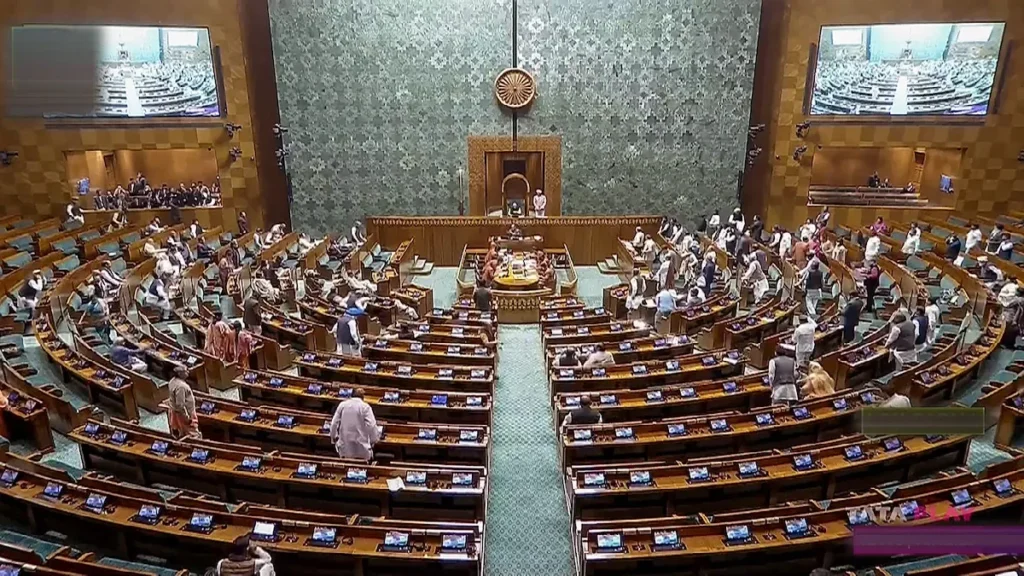
The opposition’s no-confidence motion against Lok Sabha Speaker Om Birla has been officially dismissed. This decision came after a voice vote was conducted, where the majority of members expressed their support for Birla, thereby upholding his position as the Speaker of the Lok Sabha. The motion, which was brought forward by opposition parties, aimed to challenge Birla’s impartiality and effectiveness in overseeing parliamentary proceedings. However, the outcome of the voice vote indicated a solid backing for the Speaker, reflecting the confidence the ruling party and its allies have in his role.
In the context of Indian parliamentary democracy, a no-confidence motion serves as a critical tool for the opposition to hold the Speaker accountable. It allows them to express their dissatisfaction with the manner in which legislative proceedings are managed. Nonetheless, the rejection of this motion signifies that the ruling coalition continues to maintain a firm grip on the Lok Sabha, with Birla at the helm. The Speaker’s role is pivotal, as he is expected to ensure that all voices in the house are heard, regardless of their political affiliations.
The dismissal of the motion is likely to have implications for the dynamics within the Lok Sabha, as it underscores the ongoing political tensions between the ruling party and the opposition. While the opposition may see this as a setback, it also highlights the challenges they face in mobilizing sufficient support for their initiatives. Moving forward, the focus will likely shift to other strategies that the opposition can employ to address their concerns regarding parliamentary conduct and the Speaker’s impartiality. This incident serves as a reminder of the intricate balance of power within India’s legislative framework, where the roles of various political entities continue to evolve.