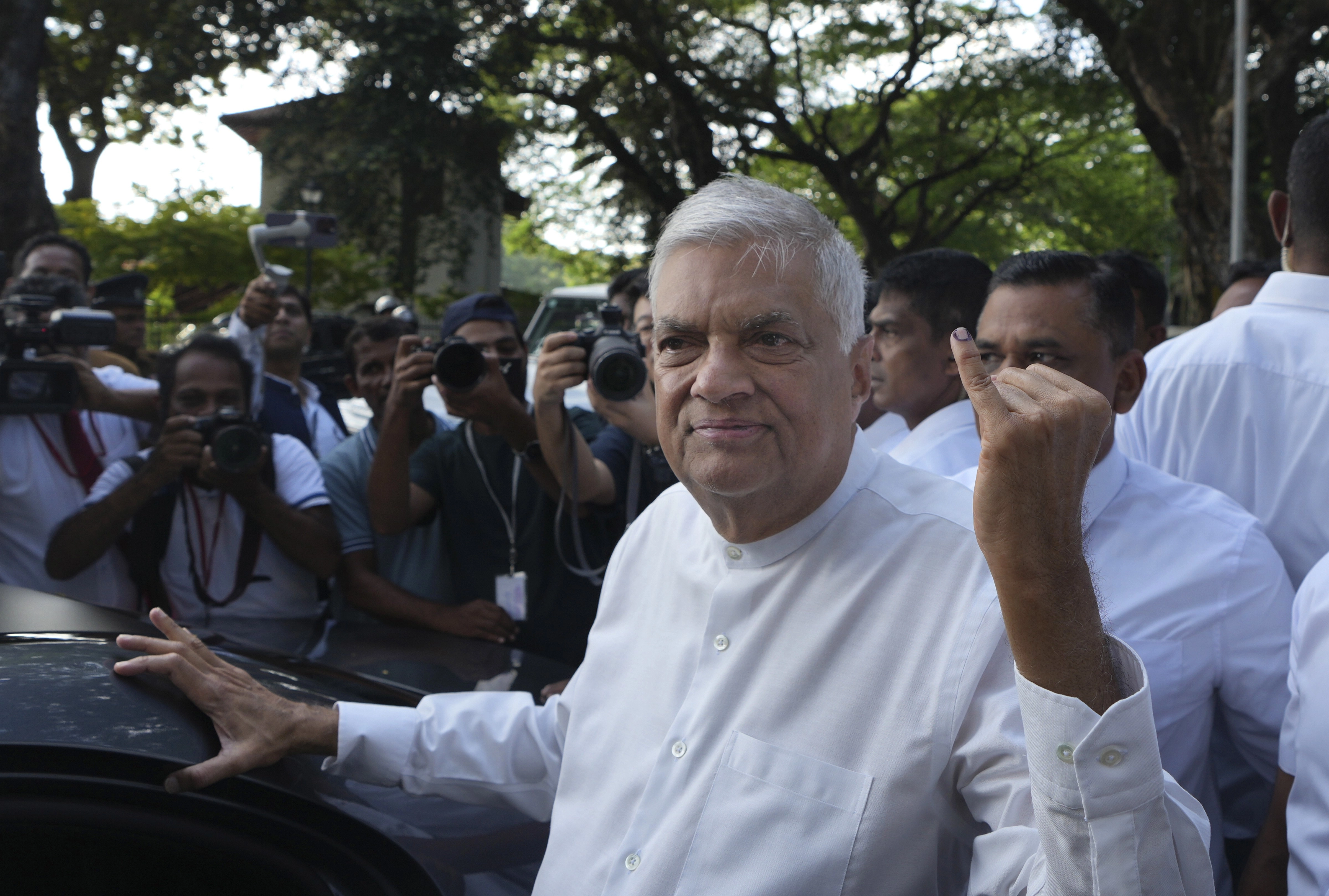
On June 3, Omar Abdullah, the leader of the National Conference (NC), convened a significant meeting that brought together independent Members of the Legislative Assembly (MLAs). This gathering aimed to discuss pressing political issues and strategies that could impact the governance and future political landscape of the region. The meeting was notable not only for its participants but also for the conspicuous absence of representatives from the Congress party, raising questions about the current dynamics within the political arena.
The decision to exclude Congress from the discussions highlights a growing rift among opposition parties in the region. The National Conference, under Abdullah’s leadership, appears to be positioning itself as a central player in the political discourse, potentially seeking to consolidate its influence in the absence of Congress. This move could suggest a shift in alliances and strategies as various parties navigate the complexities of regional politics, especially in light of recent developments that have reshaped the political landscape.
As independent MLAs joined the discussions, their perspectives became crucial in understanding the nuanced challenges and opportunities faced by the NC. These independent members often hold the potential to sway legislative outcomes, making their inclusion in such meetings strategically important. The outcome of this gathering could set the tone for future collaborations or conflicts among the various political factions, particularly as they prepare for upcoming elections and policy debates.
Overall, the meeting led by Omar Abdullah serves as a pivotal moment for the National Conference and independent MLAs, reflecting the evolving nature of political alliances and the ongoing struggle for power in the region. The absence of Congress not only underscores the shifting loyalties but also raises important questions about the future of opposition unity and the collective response to the challenges posed by the ruling party. As political tensions continue to rise, the significance of such gatherings will likely play a critical role in shaping the direction of governance and representation in the area.