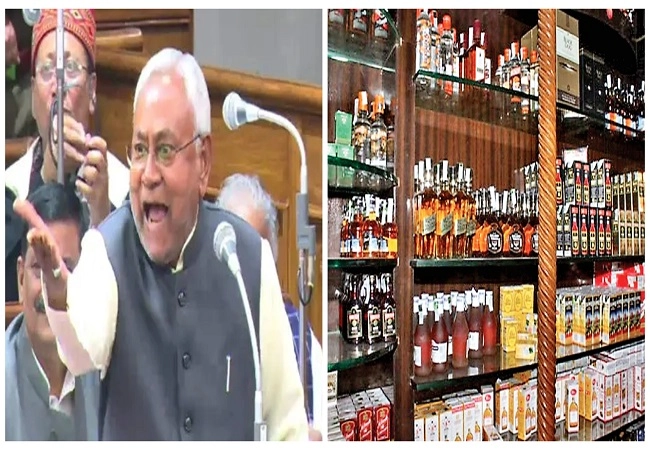
Nitish Kumar, the Chief Minister of Bihar, is set to resign from his position. This announcement has stirred considerable interest and speculation regarding the political landscape in the state. Kumar, who has been a prominent figure in Bihar politics for years, has played a significant role in shaping the state’s governance. His decision to resign comes at a time when various issues, including the controversial liquor ban law, are being discussed and reviewed.
The liquor ban law, implemented with the aim of curbing alcohol consumption and its associated societal issues, has been a contentious topic since its inception. Rural Development Minister has referred to the law as a “mission,” emphasizing the government’s commitment to enforcing it rigorously. Supporters of the law argue that it has led to a decrease in alcohol-related problems in rural areas, fostering a more responsible and healthier lifestyle among the residents. However, critics point to the challenges of enforcing such a stringent law and the unintended consequences that have arisen, including the emergence of illegal liquor trade.
As Kumar prepares to step down, the future of the liquor ban law remains uncertain. The upcoming political dynamics will likely influence whether the law will be upheld or revised. With the government’s commitment to rural development intertwined with the liquor ban initiative, the political discourse in Bihar is likely to intensify in the coming days. Observers and constituents alike will be keenly watching how the situation unfolds, particularly in relation to Kumar’s resignation and the implications it may have for ongoing policies in the state.