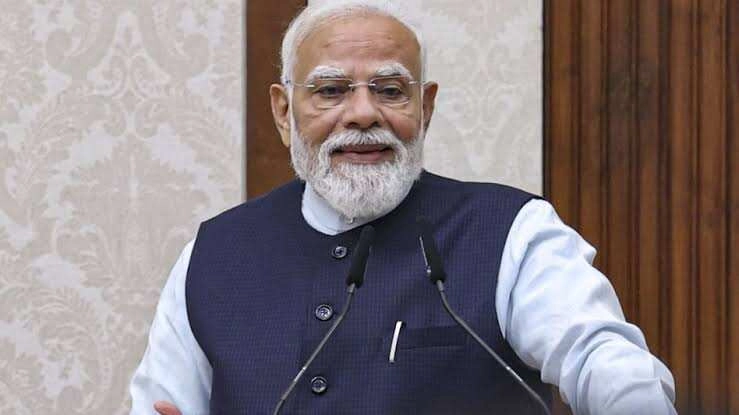
During Prime Minister Narendra Modi’s recent visit to Seychelles, he had a remarkable meeting that captured global attention. One of the highlights of his trip was an encounter with Jonathan, a tortoise who has made headlines for being the world’s oldest living terrestrial animal. Jonathan is believed to be around 194 years old, making him not only a remarkable specimen of wildlife but also a symbol of longevity and resilience. His impressive age has made him a significant figure in Seychelles, where he has become a part of the island’s heritage.
Jonathan was born in the early 1830s and has lived through significant historical events, witnessing changes in the world that few others have experienced. His longevity has sparked interest in conservation efforts and animal welfare, emphasizing the importance of protecting endangered species and their habitats. During Modi’s visit, discussions likely revolved around wildlife conservation, as Seychelles is known for its rich biodiversity and commitment to environmental preservation.
The meeting between PM Modi and Jonathan highlights the intersection of politics, culture, and environmental awareness. By engaging with such a historical figure, Modi not only acknowledges the importance of preserving wildlife but also reinforces India’s commitment to global conservation efforts. The encounter serves as a reminder that animals like Jonathan are not just part of our natural heritage but also play a crucial role in educating future generations about the importance of preserving our planet.
In conclusion, Jonathan the tortoise is more than just an old animal; he represents the deep connection between history, culture, and environmental stewardship. Modi’s visit to Seychelles and his meeting with Jonathan symbolize a broader commitment to wildlife conservation and the recognition of the unique biodiversity that the islands offer. As the world continues to face environmental challenges, such interactions remind us of the importance of preserving our natural heritage for future generations.