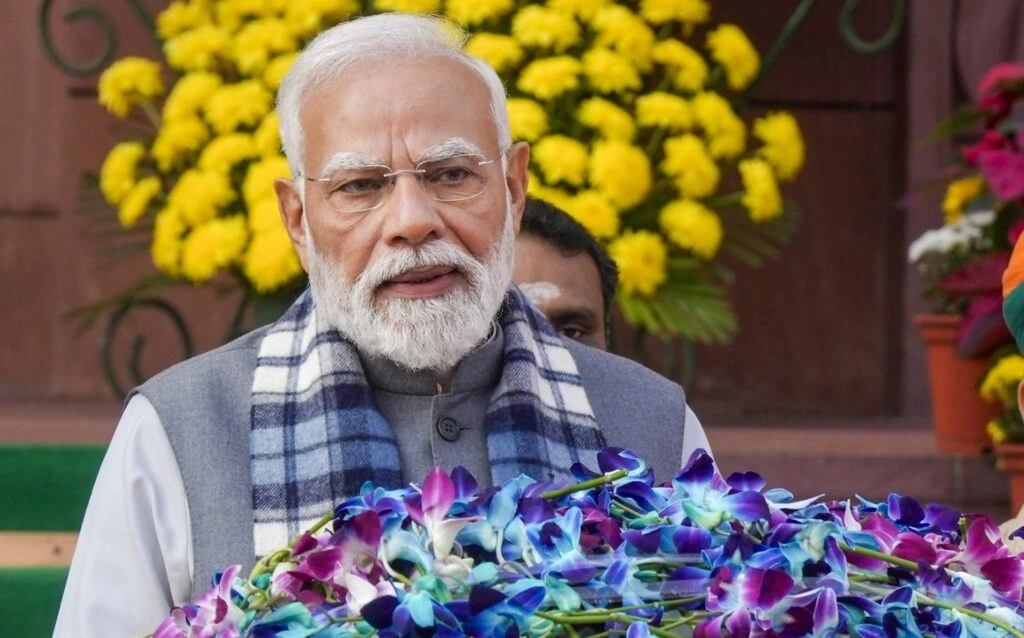
Reports indicate that Indian Prime Minister Narendra Modi has expressed his frustration regarding the ongoing controversy surrounding the National Council of Educational Research and Training (NCERT) and allegations of “judicial corruption.” This issue has emerged as a significant topic of discussion, especially in the context of educational reforms and the integrity of the judicial system. The NCERT, which is responsible for curriculum development and educational materials in India, has found itself at the center of this controversy, raising concerns about the accuracy and integrity of the content being taught in schools.
The allegations of judicial corruption suggest a deeper problem within the educational framework, reflecting on how justice and legal principles are portrayed in the curriculum. Critics argue that the materials provided by NCERT may not accurately represent the complexities of the judicial process, potentially leading to a misinformed youth. This situation has prompted discussions about the need for a thorough review of educational content and the necessity of ensuring that students receive a well-rounded and factual understanding of legal matters.
Prime Minister Modi’s annoyance signals the government’s recognition of the potential implications of this controversy, as education plays a crucial role in shaping the future of the nation. The integrity of educational materials is paramount, as they influence the perspectives and knowledge of young minds. Modi’s response could lead to a reevaluation of the NCERT’s approach to curriculum development and a push for reforms that ensure greater accountability in the content provided to students. The situation underscores the importance of addressing these issues promptly to maintain public trust in educational institutions and the judicial system alike.