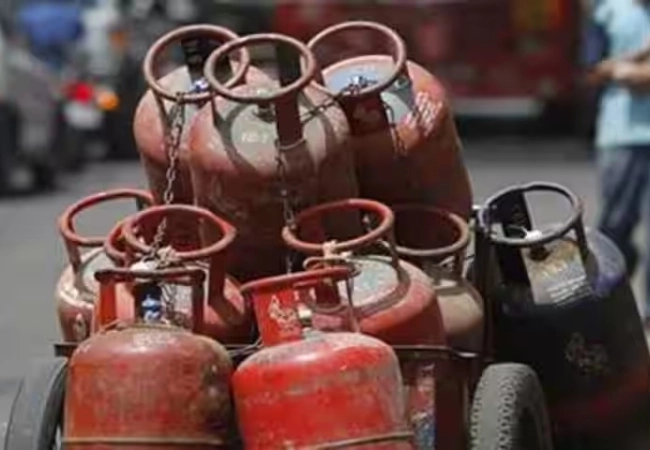
The Indian government, under Prime Minister Modi’s administration, has announced a significant change regarding the availability of subsidized domestic liquefied petroleum gas (LPG) cylinders. Starting this year, citizens will now be limited to purchasing only four subsidized LPG cylinders annually. This decision marks a notable shift in the policy surrounding subsidized cooking gas, which has traditionally been an essential resource for many households across the nation.
The rationale behind this change is likely rooted in economic considerations and efforts to manage subsidies more effectively. The government has been facing mounting pressure to balance fiscal responsibilities while ensuring that essential commodities remain accessible to the public. By reducing the number of subsidized cylinders available per household, the administration aims to streamline subsidy expenditures and redirect resources to other areas in need of funding. However, this move has sparked concern among consumers who rely on these cylinders for their daily cooking needs, especially in lower-income households.
Many citizens are expressing their frustration, as the increase in market prices for LPG cylinders could lead to higher monthly expenses for families that depend on these resources. The limitation on subsidized cylinders may disproportionately affect those with lower incomes, forcing them to bear the brunt of the rising costs. In response, various consumer advocacy groups have called for greater transparency and a reassessment of the policy, urging the government to consider the implications for vulnerable populations.
As the government implements this change, the impact on the average household will be closely monitored. It remains to be seen how this policy will unfold in practice and whether it will lead to an increase in the financial burden on families. The Modi administration’s decision reflects broader economic strategies that prioritize fiscal prudence, but it also raises important questions about social equity and the accessibility of essential services in a rapidly changing economic landscape.