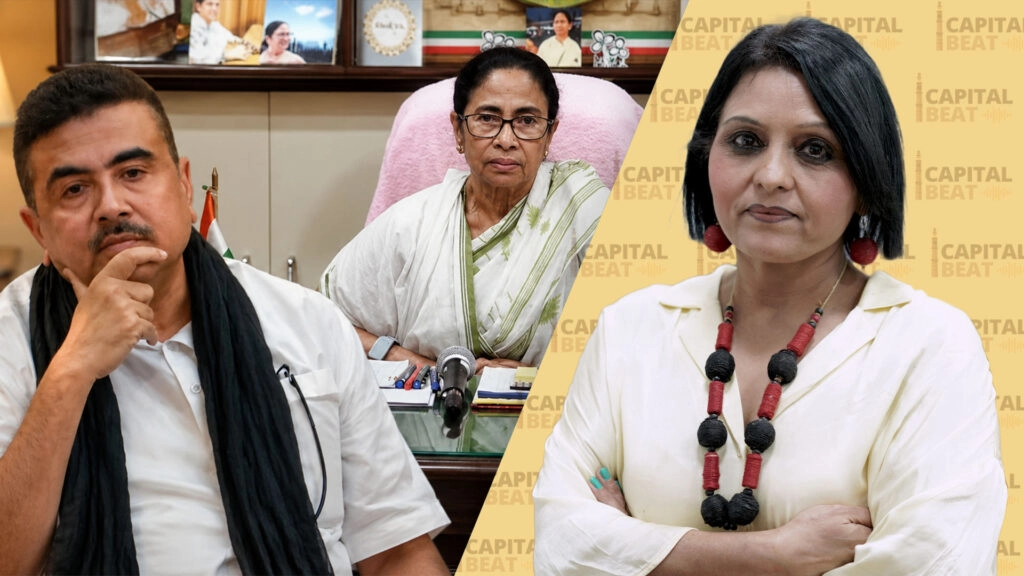
Mamata Banerjee, the Chief Minister of West Bengal, recently made headlines with her bold declaration, “Kill me to silence me.” This statement has sparked widespread discussion about her political resilience and determination in the face of mounting challenges. Banerjee’s words can be interpreted as a defiant response to her critics and adversaries, underscoring her unwillingness to back down or be intimidated by political opposition. Her fierce rhetoric serves as a rallying cry for her supporters, reinforcing her image as a leader who stands firm against adversity.
In the context of West Bengal’s political landscape, where rivalry and competition are intense, this statement may also signal a strategic maneuver by Banerjee to reclaim the narrative and strengthen her position. Facing potential threats from opposition parties, her message is not merely one of defiance but also an assertion of her political identity. By framing her struggle as one of survival and resistance, she seeks to galvanize her base and reaffirm her commitment to her constituents. This could be seen as a calculated move to energize her supporters ahead of upcoming elections, portraying herself as a martyr for the cause she champions.
Moreover, Banerjee’s statement resonates with broader themes of political struggle in India, where leaders often face extreme challenges and criticism. Her words reflect the broader sentiment of many politicians who navigate hostile environments while striving to maintain their influence and authority. By positioning herself as someone who will not be silenced, she taps into the emotional core of her followers, invoking a sense of loyalty and solidarity. This approach may not only serve to bolster her leadership but also highlight the ongoing tensions within West Bengal’s political arena, where the stakes remain high and the battle for power is relentless.
Ultimately, Mamata Banerjee’s declaration is more than just a reaction to immediate political pressures; it is a profound statement about her resolve and the tenacity required to lead in tumultuous times. Her ability to communicate strength and resilience could play a crucial role in shaping the political landscape of West Bengal as she navigates the complexities of governance and opposition. As the political narrative unfolds, her message will likely continue to resonate, influencing both her supporters and detractors in the ongoing dialogue about leadership and authority in the region.