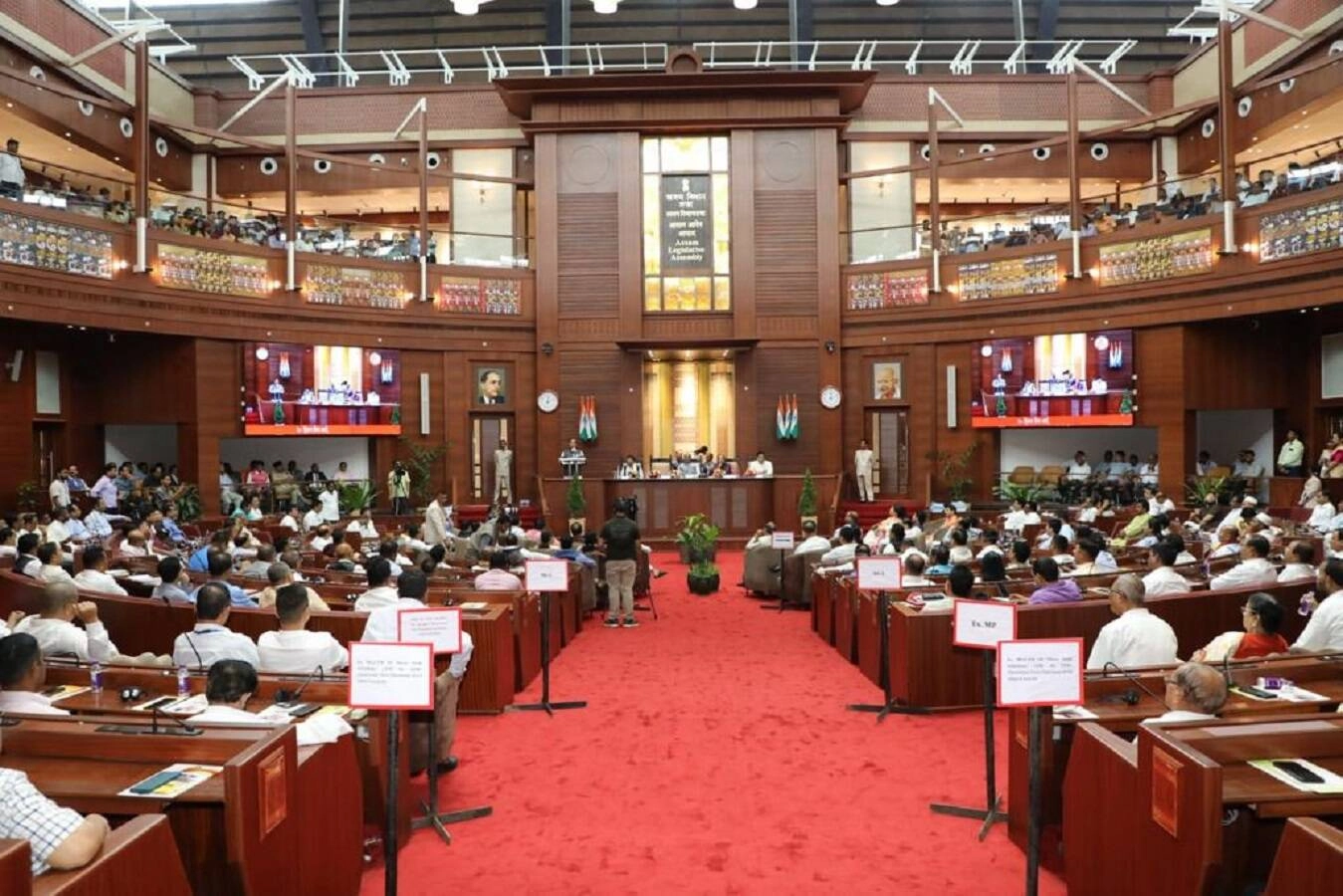
In a significant move, the government of a state ruled by the Bharatiya Janata Party (BJP) has announced a groundbreaking decision regarding the practice of polygamy. Under the new policy, individuals who engage in multiple marriages will face severe repercussions, including the loss of their government jobs. This decision has been implemented as part of a broader effort to uphold societal norms and promote legal compliance within the framework of marriage laws.
The announcement has sparked a wide array of reactions from various sections of society. Proponents of the policy argue that it is essential for maintaining the integrity of family structures and ensuring that individuals adhere to the legal stipulations regarding marriage. They believe that allowing multiple marriages undermines the institution of marriage itself and can lead to various social issues, including disputes over inheritance and family responsibilities.
On the other hand, critics have raised concerns about the implications of such a move. They argue that it may disproportionately affect certain communities and infringe upon personal freedoms. The debate surrounding this decision reflects the ongoing tensions within Indian society regarding marriage, religion, and the legal frameworks that govern them. As the policy is implemented, it remains to be seen how it will impact individuals and families, as well as the broader societal landscape in the state.
Overall, the decision represents a significant intervention by the state government in personal matters, raising questions about the role of the state in regulating marriage and family life. It also highlights the ongoing discourse about cultural practices and the need for alignment with contemporary legal standards. As the situation evolves, stakeholders from various sectors will likely continue to engage in discussions about the balance between tradition and modernity in the context of marriage practices.