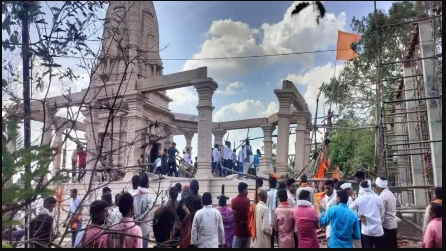
The protests in Koraput have ignited significant political controversy surrounding allegations of illegal bauxite mining projects in Odisha. Local communities, particularly indigenous groups, have raised concerns over the environmental degradation and the impact on their livelihoods resulting from these mining activities. The region is rich in bauxite, a key ingredient in aluminum production, and the demand for this resource has led to increased interest from mining companies. However, the methods and legality of these operations have come under scrutiny, prompting widespread demonstrations from residents who feel their rights and the environment are being compromised.
The situation has escalated into a political firestorm as various stakeholders, including local politicians, environmental activists, and corporate interests, engage in a heated debate about the future of mining in Koraput. Critics argue that the government has prioritized economic gain over the welfare of the local population, while proponents of mining claim that it will bring much-needed development and job opportunities to the area. The protests have drawn attention to the need for more robust regulations and oversight in the mining sector to ensure that the rights of indigenous people are protected and that environmental standards are upheld.
Moreover, the Koraput protests have highlighted the broader issue of resource extraction in India, where many regions rich in natural resources face similar challenges. The clash between development and environmental sustainability continues to be a contentious issue, with local communities often caught in the crossfire. As the protests gain momentum, they serve as a reminder of the importance of involving local populations in decision-making processes regarding natural resource management. The political ramifications of these protests could have lasting implications for Odisha’s mining policies and the rights of its marginalized communities, making it a pivotal moment in the ongoing dialogue about sustainable development in India.