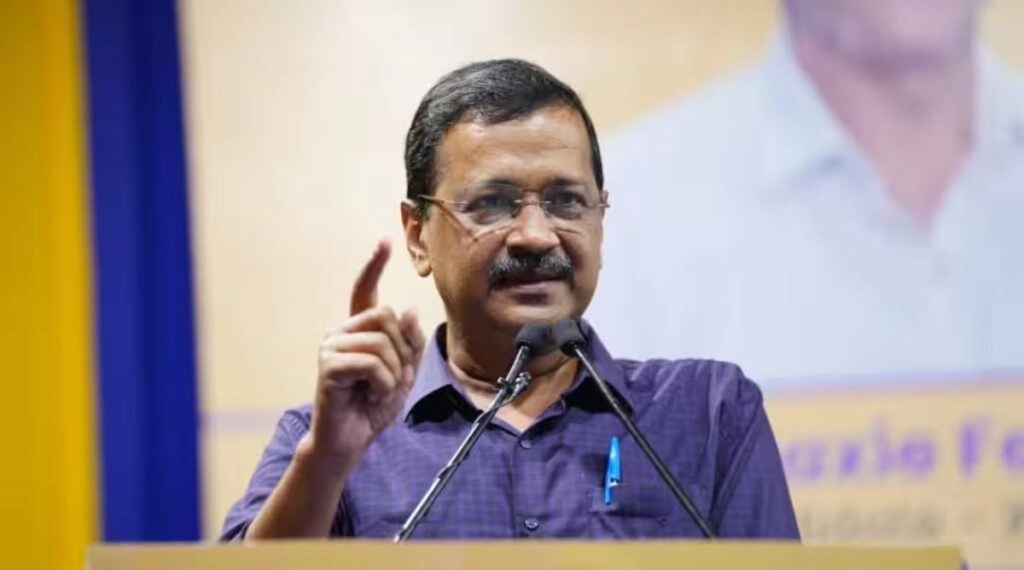
In a recent development, Delhi Chief Minister Arvind Kejriwal criticized Prime Minister Narendra Modi for allegedly engaging in “petty politics” as the Enforcement Directorate conducted its second raid in three days on a leader from the Aam Aadmi Party (AAP) in Punjab. Kejriwal expressed his discontent over what he perceives as a politically motivated action aimed at undermining the AAP’s influence and credibility in Punjab. He emphasized that such tactics are detrimental to the democratic process and reflect a desperate attempt by the ruling government to cling to power through intimidation and harassment of opposition figures.
The raids have sparked outrage among AAP supporters, who view these actions as part of a broader strategy to suppress dissent and manipulate political narratives. Kejriwal’s comments underline a growing concern within his party regarding the potential misuse of investigative agencies for political gain. He argued that the focus should be on governance and addressing the pressing issues facing the nation, rather than targeting political adversaries. By framing the raids as an act of political vendetta, Kejriwal aims to rally support for his party and highlight the perceived overreach of the central government.
The situation in Punjab reflects a tense political landscape, where the AAP, having recently formed the government, is facing challenges from established political parties, including the BJP. Kejriwal’s accusations against Modi resonate with many who believe that the central government is resorting to coercive measures to stifle political competition. As the AAP continues to navigate these turbulent waters, the implications of such raids could be significant for both the party’s future and the overall health of India’s democracy. The unfolding events are likely to influence public perception and political dynamics in the run-up to upcoming elections, as voters assess the impact of these political maneuvers on governance and accountability.