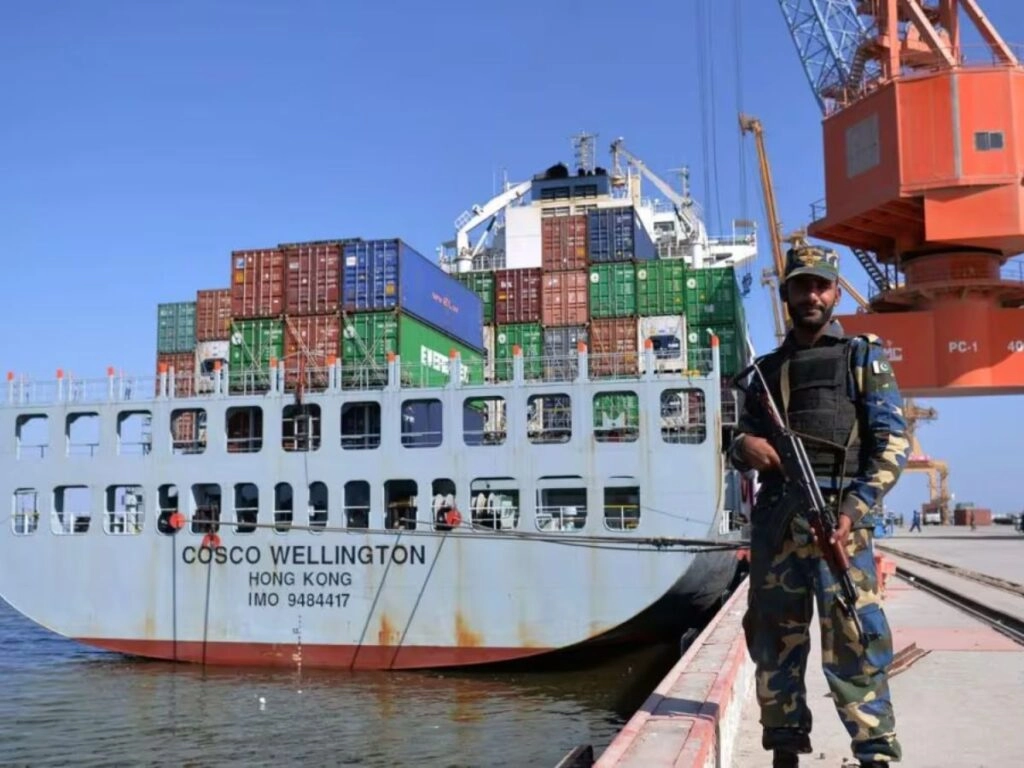
Gwadar, a strategically significant port located on Pakistan’s southwestern coast, has found itself under immense pressure amid ongoing conflicts and insurgent activities in the region. This once-promising hub, envisioned as a key economic artery for trade and development, now grapples with the complexities of local unrest and geopolitical tensions. The port was initially designed to facilitate trade routes connecting Central Asia and the Middle East, positioning Pakistan as a pivotal player in global commerce. However, the prevailing instability has cast a shadow over its potential, raising concerns among investors and international stakeholders about the viability of operations in Gwadar.
The region surrounding Gwadar has been plagued by a history of insurgency, particularly from Baloch nationalist groups who demand greater autonomy and control over local resources. These groups have increasingly targeted infrastructure projects, viewing them as symbols of exploitation and marginalization. The conflict has escalated, leading to violent confrontations that not only threaten the safety of workers and investors but also disrupt the flow of goods and services vital for the port’s operations. As a result, Gwadar’s ambitions for growth and development are stymied by the very factors that could propel it to greatness.
Moreover, the geopolitical dynamics of the area further complicate Gwadar’s situation. The port’s development is closely tied to the China-Pakistan Economic Corridor (CPEC), a multi-billion-dollar initiative aimed at enhancing connectivity and trade between China and Pakistan. While CPEC promises substantial economic benefits, it has also intensified local grievances, with many Baloch people feeling sidelined in the decision-making processes that affect their land and livelihood. The influx of foreign investment has the potential to create jobs and stimulate the economy, but without addressing the underlying issues of local discontent, the risk of further unrest remains high.
In conclusion, Gwadar stands at a crucial crossroads, caught between its aspirations as a global trade hub and the harsh realities of conflict and insurgency. The port’s future depends not only on infrastructural development and foreign investment but also on a concerted effort to engage with local communities and address their concerns. Only through a comprehensive approach that prioritizes dialogue and inclusivity can Gwadar hope to overcome the challenges it faces and unlock its true potential as a beacon of economic prosperity in the region.