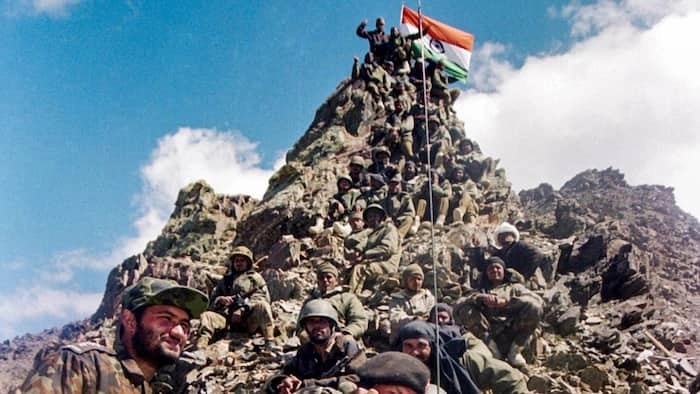
The 27th Kargil Vijay Diwas marks a significant moment in India’s military history, commemorating the valor and sacrifice of the armed forces during Operation Vijay in 1999. This operation not only underscored the bravery of Indian soldiers but also led to a profound transformation in India’s defense strategy. The conflict, which occurred in the Kargil district of Jammu and Kashmir, highlighted the need for a more integrated and responsive military approach. In the face of unexpected challenges posed by the infiltration of Pakistani soldiers, India realized the importance of a tri-service integration where the Army, Navy, and Air Force would work collaboratively to address multifaceted threats.
Operation Vijay catalyzed a shift towards a more cohesive defense framework, prompting the Indian military to rethink its operational tactics and strategic planning. The success of the operation demonstrated that effective communication and joint exercises among the three branches of the armed forces could significantly enhance operational capability. This realization paved the way for initiatives aimed at fostering unity and coordination, which became essential in addressing contemporary security challenges. The lessons learned from Kargil have since been instrumental in shaping military doctrine and training, ensuring that all services are prepared to operate in a unified manner in future conflicts.
Additionally, Kargil Vijay Diwas serves as a reminder of the need for self-reliance in defense capabilities, a principle encapsulated in the concept of Atmanirbharta, or self-sufficiency. The conflict exposed vulnerabilities in India’s defense apparatus, leading to an increased emphasis on indigenous production of military equipment and technology. In response, the Indian government has since prioritized initiatives to bolster domestic defense manufacturing, encouraging private sector involvement and reducing dependence on foreign suppliers. This strategic pivot towards Atmanirbharta aims not only to enhance India’s military readiness but also to stimulate economic growth and innovation within the defense sector.
In summary, the legacy of Operation Vijay extends beyond the immediate military victories; it has profoundly influenced India’s defense strategy, promoting tri-service integration and self-reliance. As the nation observes the 27th Kargil Vijay Diwas, it reflects on the sacrifices of its heroes while also recognizing the ongoing journey towards a robust and self-sufficient defense posture. This transformation is vital for addressing the complex security environment of the 21st century and ensuring that India remains prepared to face future challenges with confidence and resilience.