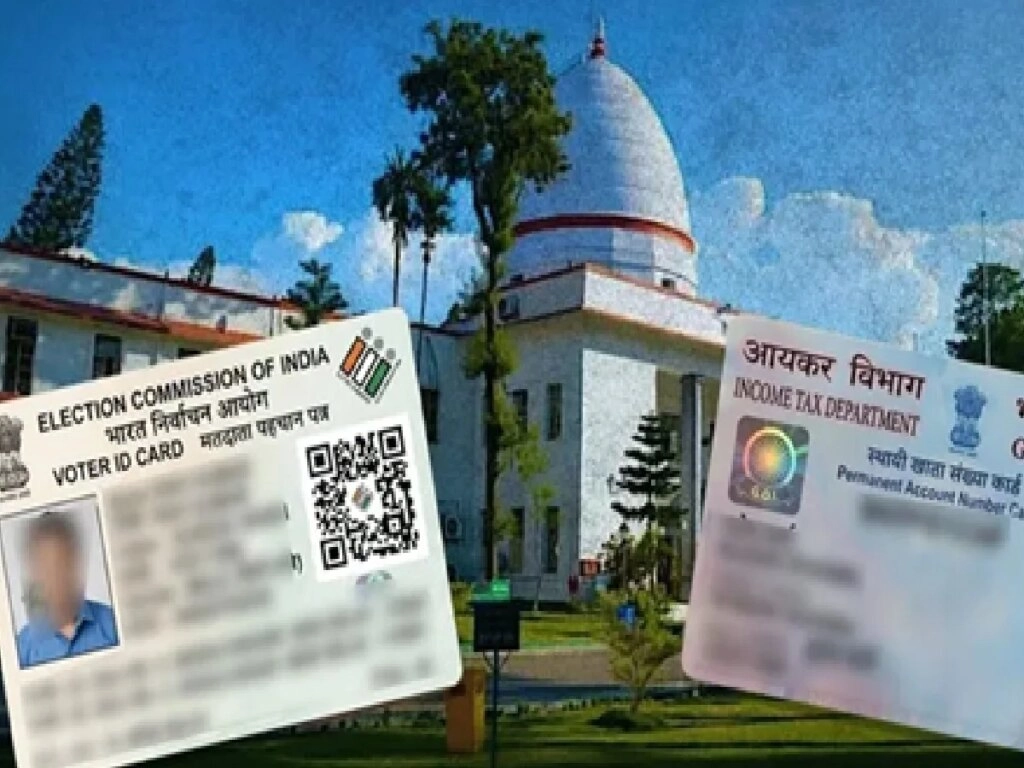
In a significant ruling, the Guwahati High Court has determined that 16 different documents, including the Permanent Account Number (PAN) card and Voter ID, are insufficient to establish a person’s citizenship. This landmark decision underscores the complexities surrounding the issue of citizenship in India, particularly in the context of the National Register of Citizens (NRC) and the ongoing debates about illegal immigration and identity verification. The court’s decision emphasizes that merely possessing these documents does not automatically confer citizenship status, a ruling that could have far-reaching implications for many individuals who rely on such identification for various legal and social purposes.
The backdrop of this ruling is rooted in the contentious atmosphere surrounding citizenship in Assam, where the NRC aims to identify legal citizens and distinguish them from undocumented immigrants. The court’s verdict serves as a reminder that the burden of proof regarding citizenship lies heavily on individuals, who may struggle to provide adequate documentation. This ruling raises critical questions about what constitutes valid proof of citizenship and how individuals can navigate the bureaucratic processes that often accompany such determinations.
The implications of this judgment could lead to significant consequences for individuals who may be unable to prove their citizenship status, despite holding widely recognized identification documents. As the legal landscape regarding citizenship continues to evolve, this ruling may compel lawmakers and authorities to reconsider the criteria and processes used to establish citizenship. Furthermore, it highlights the challenges faced by marginalized communities, who may lack access to the necessary documentation or face obstacles in the bureaucratic system. Overall, the Guwahati High Court’s ruling is a pivotal moment in India’s ongoing dialogue about citizenship, identity, and the rights of individuals in a diverse and complex society.