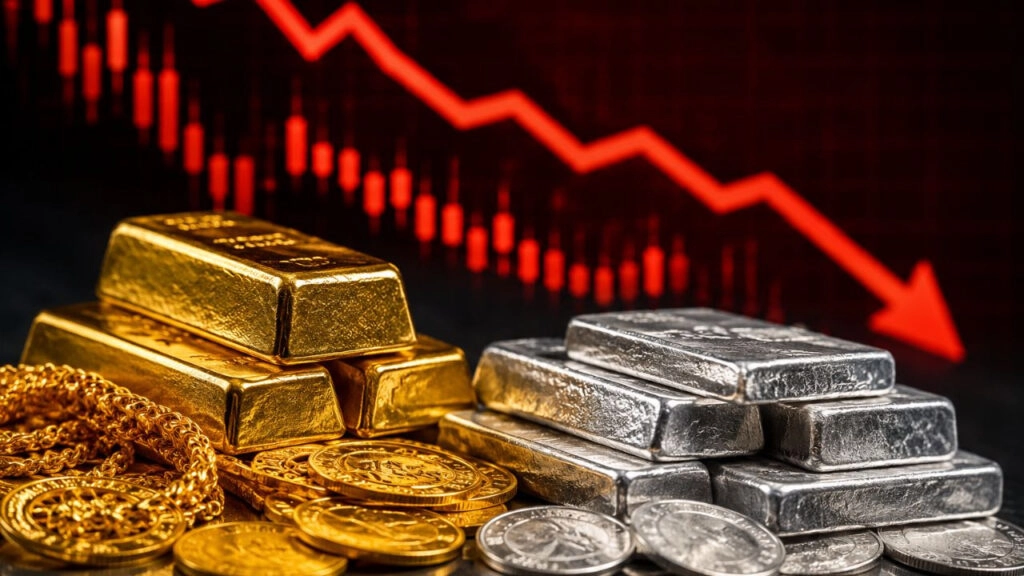
Today, the rates of gold and silver have experienced a notable decline, marking a significant shift in the market dynamics for these precious metals. Analysts and market experts are attributing this sudden change to a combination of factors that have influenced investor sentiment and trading behaviors. Gold, traditionally viewed as a safe-haven asset, has seen its prices dip, which has raised eyebrows among investors who closely monitor these trends for opportunities to buy or sell.
One of the primary reasons for the drop in gold prices could be the strengthening of the US dollar. As the dollar gains value, gold becomes more expensive for buyers using other currencies, which can lead to a decrease in demand. Additionally, recent economic data indicating a potential stabilization in inflation has led investors to shift their focus away from gold, which is often sought after during times of economic uncertainty. This shift in sentiment has contributed to the downward trend in gold prices.
Silver, too, has not been immune to these market fluctuations. The fall in silver prices can be linked to its dual role as both an investment asset and an industrial metal. As economic conditions improve, the demand for silver in industrial applications may decrease, leading to a drop in its value. Furthermore, the correlation between gold and silver prices means that when gold falls, silver often follows suit, exacerbating the decline in its market value.
In conclusion, the recent downturn in gold and silver prices is a reflection of broader economic trends and market sentiments. Investors are advised to stay informed about the factors influencing these changes, as they can present both challenges and opportunities in the precious metals market. Understanding the reasons behind these fluctuations can help investors make more informed decisions in an ever-changing financial landscape.