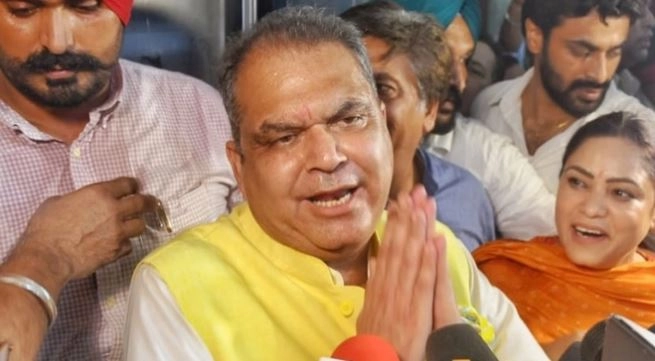
Sanjeev Arora, the minister in charge, has been arrested by the Enforcement Directorate (ED), prompting significant reactions from various political figures, including Chief Minister Bhagwant Mann. The arrest of a sitting minister raises serious questions about governance and accountability in the current political landscape. The ED’s actions have been widely scrutinized, as they often reflect deeper issues within political structures and the enforcement of law.
In a statement following the arrest, Chief Minister Mann expressed firm sentiments about the current political climate, asserting that Prime Minister Modi cannot intimidate or bend the resolve of their government. This assertion highlights the ongoing tensions between state and central authorities, suggesting a broader conflict in political ideologies and governance styles. The Chief Minister seems to be positioning himself and his administration as resilient against pressures from the central government, indicating a determination to uphold their political agenda despite challenges.
The arrest of Sanjeev Arora may also have implications for the party’s image and its operational dynamics within the region. As investigations unfold, the focus will likely shift to how the government handles the situation, both in terms of legal proceedings and public perception. The political ramifications could be significant, as the ruling party will need to navigate the complexities of maintaining public trust while addressing the charges against one of its ministers. The situation is a reminder of the intricate relationships between law enforcement, politics, and governance, as well as the potential for corruption and misconduct to disrupt political stability.