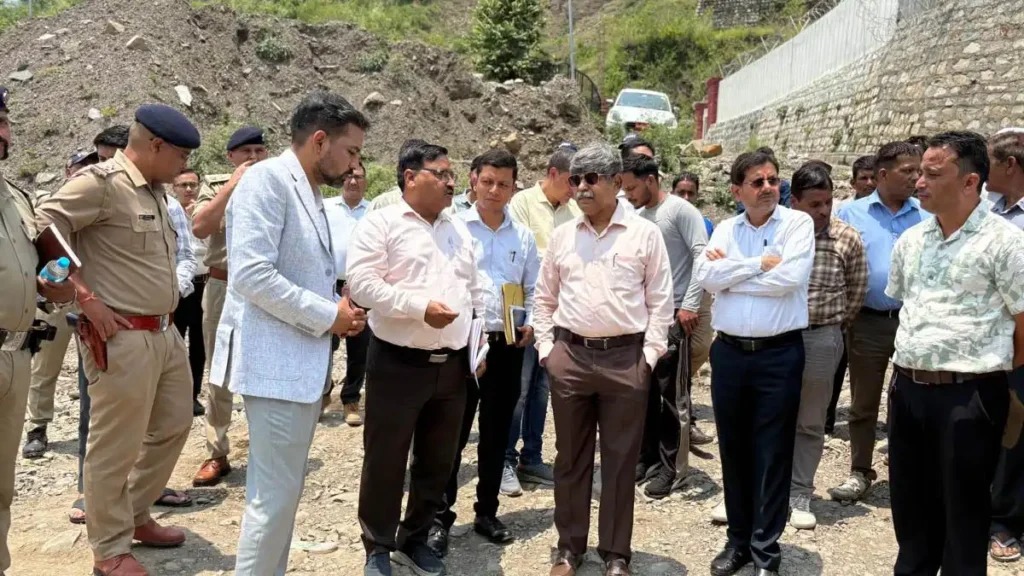
Dehradun, the capital city of Uttarakhand, is grappling with the challenges posed by sudden heavy rains, a phenomenon that has become increasingly frequent due to changing climate patterns. In response to these unpredictable weather events, senior officials have taken proactive measures by visiting affected areas to assess the situation firsthand. Their presence on the ground underscores the urgency of addressing the immediate impacts of heavy rainfall, which often leads to flooding, landslides, and significant disruptions to daily life.
The officials conducted on-site evaluations to better understand the extent of the damage and to coordinate effective relief efforts. This hands-on approach allows for a more tailored response, ensuring that resources are allocated efficiently to the areas most in need. The government is focusing on enhancing infrastructure resilience, improving drainage systems, and implementing better urban planning practices to mitigate the risks associated with heavy rainfall in the future.
Moreover, the local administration is working closely with meteorological departments to improve forecasting and early warning systems. By enhancing these systems, Dehradun aims to minimize the impact of sudden downpours on its residents and infrastructure. Public awareness campaigns are also being initiated to educate citizens on safety measures during heavy rains, emphasizing the importance of preparedness in the face of natural disasters.
As Dehradun navigates these challenges, the commitment of senior officials to address the situation reflects a broader recognition of the need for comprehensive strategies to combat the adverse effects of climate change. The collaboration between various government departments and the active involvement of the community will be crucial in building a more resilient city capable of withstanding the impacts of sudden heavy rains in the future.