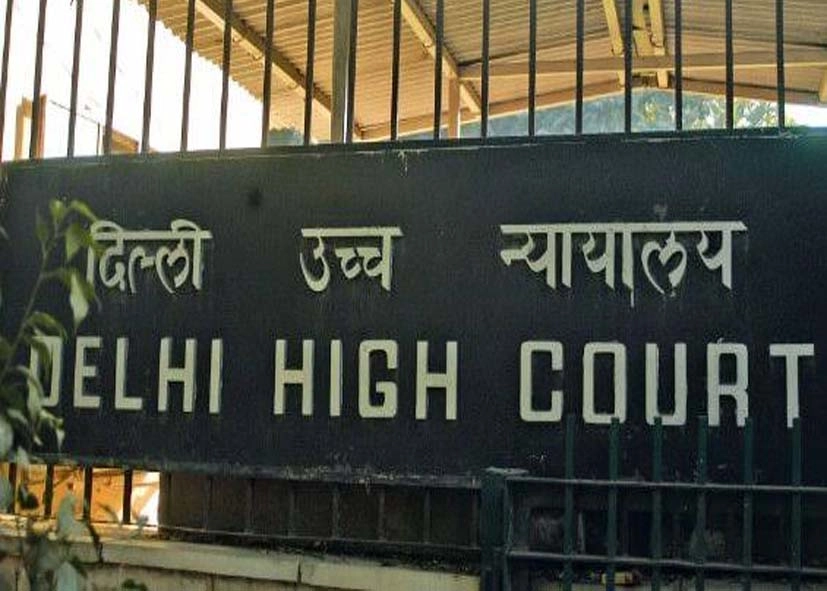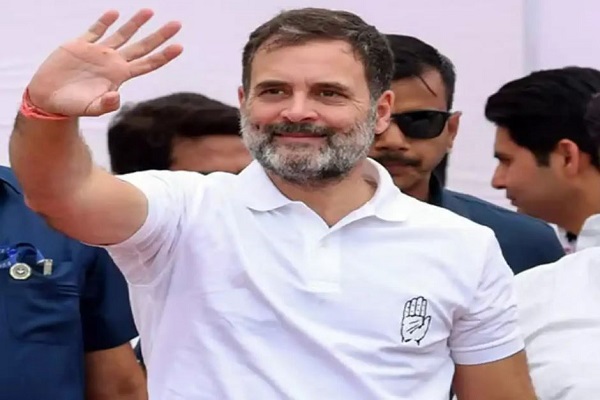
In a recent development concerning the defamation case involving Rahul Gandhi, the court has rejected a plea that sought to obtain a voice sample from the prominent politician. This request was part of the ongoing legal proceedings, where Gandhi is facing allegations of defamation. The case has attracted significant attention, not only due to Gandhi’s political stature but also because it raises critical questions about free speech and the limits of political discourse in India. The rejection of the plea is seen as a crucial step in the legal battle, which continues to unfold in the public eye.
The decision to hold a debate on the matter is scheduled for May 11, where various aspects of the case are expected to be discussed in detail. This debate will likely involve legal experts and political analysts who will dissect the implications of the court’s ruling, as well as the broader context of defamation laws in India. The case has sparked a lively discussion among the public and political circles, with many expressing their opinions on the balance between protecting reputations and safeguarding freedom of expression.
As the date for the debate approaches, anticipation is building around how the arguments will be presented and what impact they might have on the future of defamation cases involving public figures. The outcome of this case could potentially set a precedent for similar legal battles in the future. With the spotlight firmly on Rahul Gandhi, the debate is expected to draw considerable media attention, highlighting the intricate relationship between politics, law, and society in contemporary India.