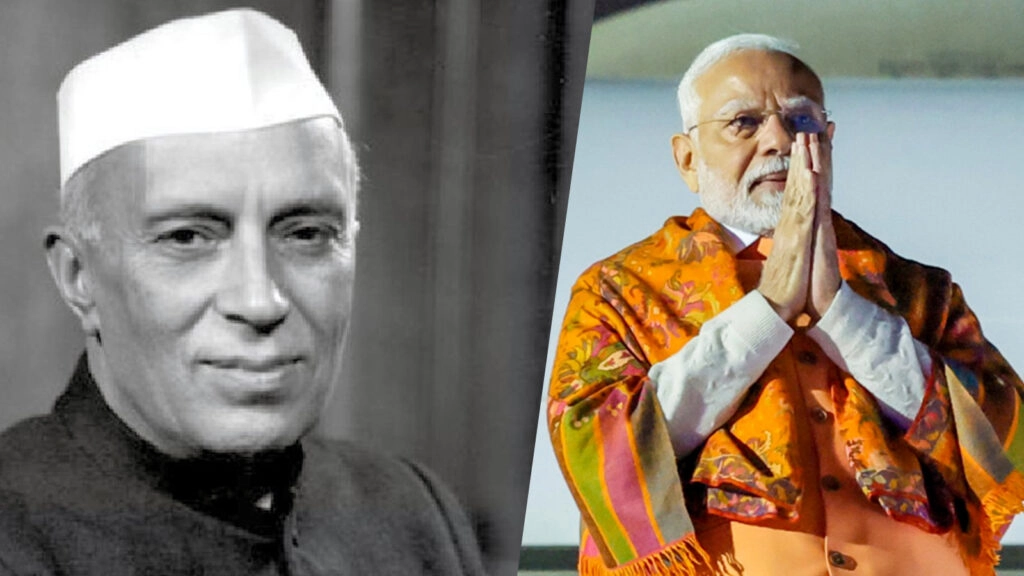
In a recent parliamentary session, members of Congress sharply criticized Prime Minister Narendra Modi, labeling his leadership as a significant burden on the nation rather than a source of progress. They described him as a “millstone around India’s neck,” implying that his policies and governance have hindered the country’s growth and development. The Congress party’s remarks reflect a growing discontent among opposition leaders who believe that the Prime Minister’s tenure has not lived up to the expectations of the citizens.
The Congress party’s accusations come amid ongoing debates regarding Modi’s achievements and failures. They argue that his government has failed to address pressing issues such as unemployment, economic inequality, and social unrest. Critics within the party assert that rather than uniting the country and fostering inclusive growth, Modi’s administration has often deepened divisions, leading to a polarized society. This sentiment resonates with many who feel that the Prime Minister’s focus on majoritarian policies has sidelined minority voices and concerns.
Furthermore, Congress members have been vocal about the impact of Modi’s leadership on India’s international standing. They argue that his approach has alienated key allies and diminished India’s influence on the global stage. The party believes that a more collaborative and diplomatic approach is essential for India’s progress, which they claim has been undermined by the current administration’s aggressive stance. As the opposition continues to challenge the government’s performance, the discourse around Modi’s legacy is likely to intensify, shaping the political landscape in the run-up to future elections.
In light of these criticisms, it is evident that the Congress party is seeking to galvanize public sentiment against the Prime Minister by highlighting what they perceive as his shortcomings. The rhetoric of Modi being a “millstone” serves not only as a critique of his policies but also as a rallying cry for those who aspire to see a different direction for India. As the political climate evolves, the effectiveness of such strategies will be tested against the backdrop of an increasingly complex socio-economic environment. The coming months will be crucial in determining how these narratives unfold and influence the electorate’s views ahead of crucial electoral battles.