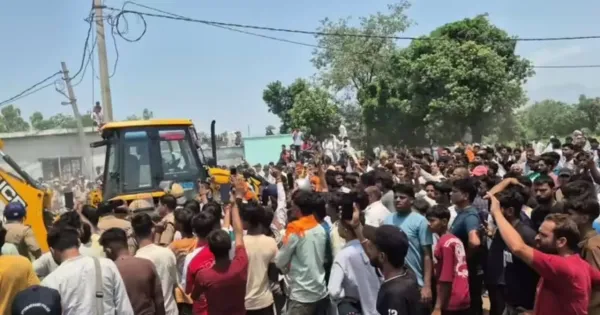
The murder of a BJP leader in Dehradun has sparked significant outrage and unrest within the community, leading to heightened communal tensions in the area. The incident has drawn attention not only due to the violent nature of the crime but also because of its implications for local political dynamics and inter-community relations. Following the murder, a mob reportedly descended upon the residence of the accused, demonstrating a palpable sense of anger and frustration among supporters of the slain leader. This reaction highlights the emotionally charged atmosphere in Dehradun, where political affiliation and communal identities often intersect.
As the situation unfolds, law enforcement agencies are under pressure to manage the unrest and prevent further escalation. The mob’s actions raise concerns about public safety and the potential for retaliatory violence, which could exacerbate the already fragile communal fabric of the region. Authorities are tasked with not only investigating the murder but also maintaining peace and order, a challenging endeavor in the face of such intense public sentiment. Local leaders and community representatives are calling for calm, urging citizens to refrain from taking the law into their own hands and to allow the judicial process to take its course.
This incident serves as a reminder of the underlying tensions that can surface in politically charged environments, particularly in a country like India, where religious and political identities can lead to conflict. The response from various political parties and community leaders may play a crucial role in either calming the situation or inflaming it further. As the investigation progresses, the focus will remain on ensuring justice for the victim while also fostering an environment of peace and understanding among the diverse communities in Dehradun. The coming days will be pivotal in determining how this tragedy will shape local dynamics and whether a path toward reconciliation can be forged amidst the turmoil.