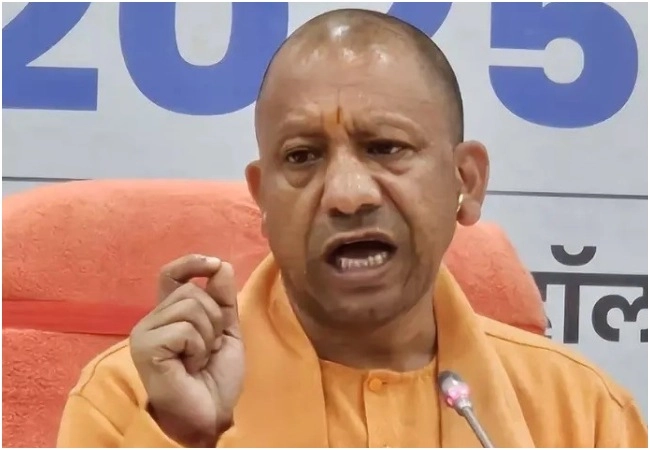
Chief Minister Yogi Adityanath has taken a proactive stance in addressing the issue of Rohingya and Bangladeshi infiltrators within the state. Recognizing the importance of national security and social stability, he has personally assumed responsibility for leading efforts to identify and expel these undocumented migrants. This initiative underscores the government’s commitment to safeguarding the interests of its citizens and maintaining the integrity of the state’s demographic composition.
In a recent directive, CM Yogi instructed officials to compile a comprehensive list of individuals believed to be living in the state without proper documentation. This move aims to ensure that the administration has accurate data to work with, enabling a more effective approach to the challenges posed by illegal migration. By emphasizing the need for meticulous record-keeping, the Chief Minister seeks to streamline the process of verification and, if necessary, deportation of those who do not belong to the region.
The situation surrounding Rohingya and Bangladeshi migrants is multifaceted, involving humanitarian, legal, and security dimensions. While there are arguments surrounding the plight of these individuals, who often flee violence and persecution, Yogi Adityanath’s government is prioritizing the rule of law and the safety of its citizens. The Chief Minister’s actions indicate a firm stance against illegal immigration, reflecting a broader national discourse on the subject.
This initiative is likely to generate mixed reactions from the public and various advocacy groups. Some may commend the government for taking a stand on national security, while others may raise concerns regarding the treatment of asylum seekers and the potential for human rights violations. As the state moves forward with this list, the balancing act between humanitarian considerations and the need for security will be a critical aspect of the ongoing debate surrounding migration policy in India.