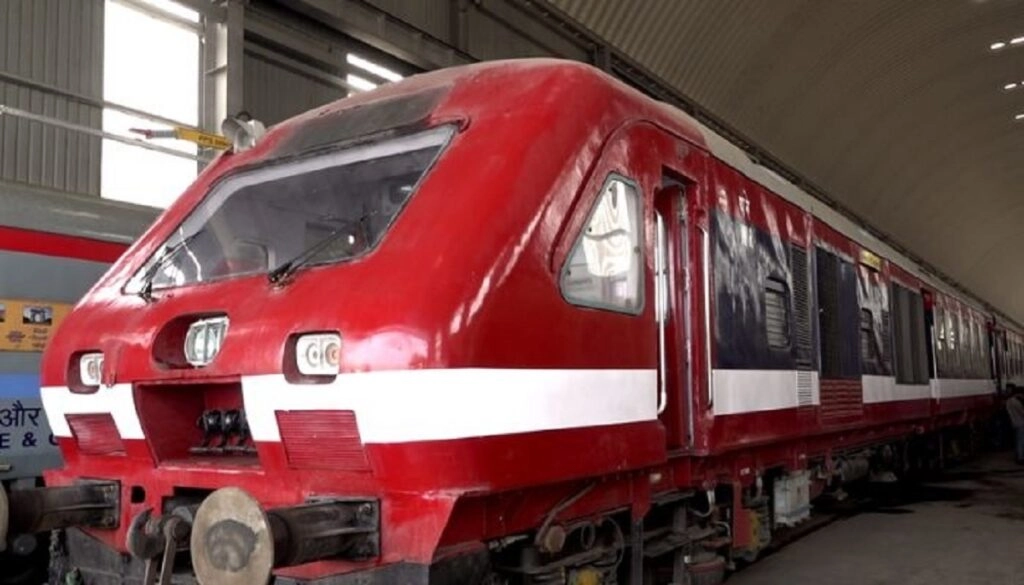
The inaugural journey of the country’s first liquefied natural gas (LNG) powered passenger train successfully took place in Sabarmati, marking a significant milestone in India’s railway history. This innovative development represents a significant step towards sustainable and eco-friendly transportation solutions within the nation’s extensive railway network. The successful operation of the LNG-powered train not only showcases advancements in technology but also highlights the commitment to reducing the carbon footprint associated with traditional diesel-powered trains.
The introduction of LNG as a fuel source for passenger trains is expected to enhance operational efficiency while also contributing to cleaner air quality. LNG is known for its lower emissions compared to diesel, making it a more environmentally friendly alternative. This shift in fuel technology aligns with global trends aimed at promoting greener energy sources and reducing reliance on fossil fuels. The successful trial run in Sabarmati is a testament to the hard work and collaboration of various stakeholders, including government agencies, railway authorities, and technological innovators.
Furthermore, the deployment of LNG-powered trains could pave the way for similar initiatives across the country, potentially transforming the landscape of Indian railways. As the demand for sustainable transportation solutions grows, adopting cleaner fuel alternatives like LNG can help mitigate the environmental impact of rail travel. This initiative not only reflects a proactive approach towards addressing climate change but also promises to enhance the overall efficiency and cost-effectiveness of rail operations.
In conclusion, the successful operation of the LNG-powered passenger train in Sabarmati is a groundbreaking achievement for Indian Railways and a significant step towards a more sustainable future. As the country looks to modernize its infrastructure and reduce environmental impacts, the transition to cleaner fuel sources is vital. The successful trial run serves as a model for future innovations in the railway sector, underscoring the importance of embracing new technologies to meet the challenges of modern transportation.