The Middle East has long been a region of geopolitical tension, and the presence of the U.S. fleet in these waters has raised concerns about potential threats from Iran. As tensions escalate, it’s crucial to understand the capabilities that Iran possesses, which could significantly alter the dynamics of warfare in the region. Here, we explore five key weapons that Iran has developed, which could pose a considerable challenge to American naval forces.
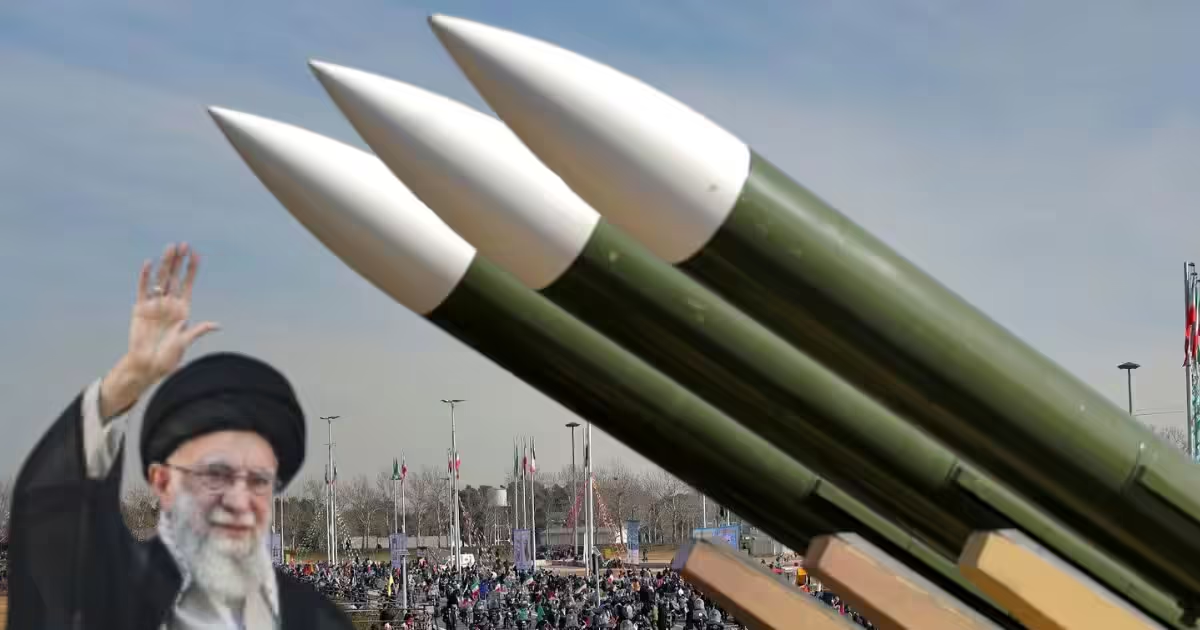
Firstly, Iran’s missile technology has advanced dramatically over the years. The country has developed a range of ballistic and cruise missiles that can target ships and installations with precision. This capability not only enhances Iran’s defensive posture but also allows it to project power beyond its borders, potentially threatening U.S. naval assets in the Persian Gulf and surrounding areas.
Secondly, Iran’s naval forces, including fast attack boats and submarines, have been modernized to engage in asymmetric warfare. These vessels are designed for quick strikes and can operate in shallow waters, making them difficult targets for larger ships. The use of swarm tactics, where multiple small boats attack simultaneously, presents a unique challenge for the U.S. Navy, which must adapt its strategies to counter this threat effectively.
Another significant aspect of Iran’s military strength is its network of drones. Unmanned aerial vehicles (UAVs) can conduct surveillance, reconnaissance, and even strike missions against enemy targets. Iran has demonstrated the ability to use drones in various conflicts, and their deployment against U.S. forces could create new challenges in terms of air defense and situational awareness.
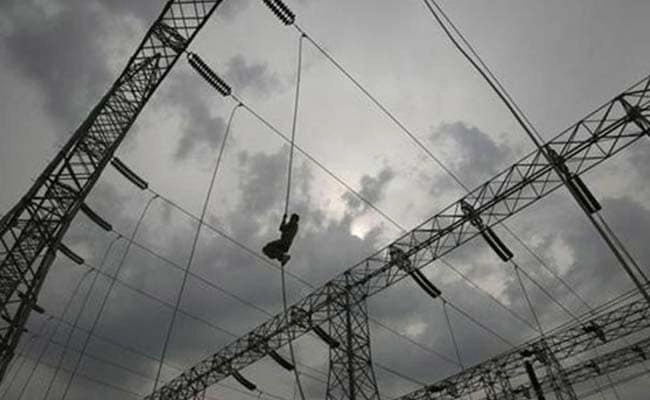
Lastly, Iran’s cyber capabilities cannot be overlooked. Cyber warfare has become an essential component of modern conflicts, and Iran has shown its ability to conduct cyberattacks against military and civilian infrastructure. This aspect of warfare could disrupt communications and logistics for U.S. forces in the region, complicating their operational effectiveness.
In conclusion, the combination of advanced missile technology, modern naval tactics, drone warfare, and cyber capabilities makes Iran a formidable adversary for the U.S. fleet in the Middle East. As the geopolitical landscape continues to evolve, understanding these threats is essential for developing effective strategies to ensure the safety and security of U.S. forces operating in this volatile region.