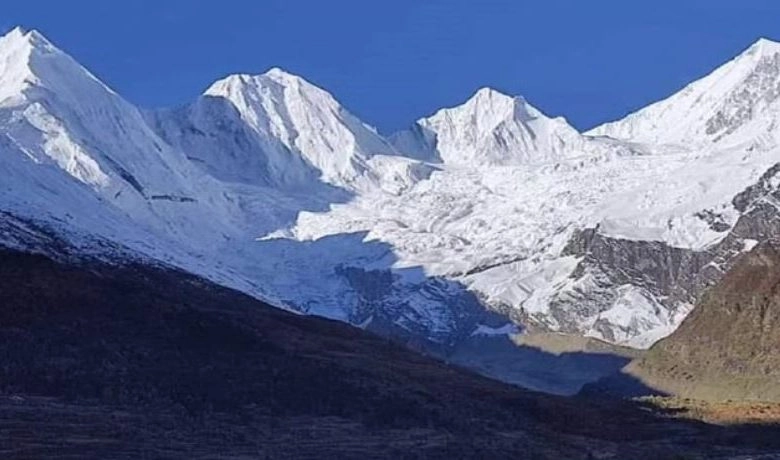
In the Chamoli district, the effects of rising temperatures are becoming increasingly evident, particularly in the high Himalayan regions where glaciers are melting at an alarming rate. The phenomenon of glacial melt is a direct consequence of climate change, with the rise in global temperatures accelerating the process. These glaciers, which have existed for centuries, are vital for maintaining the ecological balance and providing fresh water to millions of people living both in the immediate vicinity and downstream.
As the glaciers continue to retreat, the ramifications are profound. The melting ice contributes to rising sea levels, which poses a significant threat to coastal communities around the world. Additionally, the loss of glaciers disrupts local ecosystems, affecting flora and fauna that depend on the cold, stable conditions provided by these ice formations. Furthermore, many rivers fed by glacial meltwater may experience fluctuations in flow, leading to potential water shortages during dry seasons and flooding during periods of rapid melt.
The situation in Chamoli serves as a stark reminder of the broader implications of climate change. Local communities are already experiencing shifts in weather patterns, which can affect agriculture and food security. As the glaciers diminish, the traditional ways of life for many indigenous populations may be at risk, prompting a need for adaptation and resilience-building strategies. The urgency to address climate change and its effects on glacial regions is evident, as scientists and environmentalists emphasize the need for immediate action to mitigate further damage and protect these crucial natural resources for future generations.