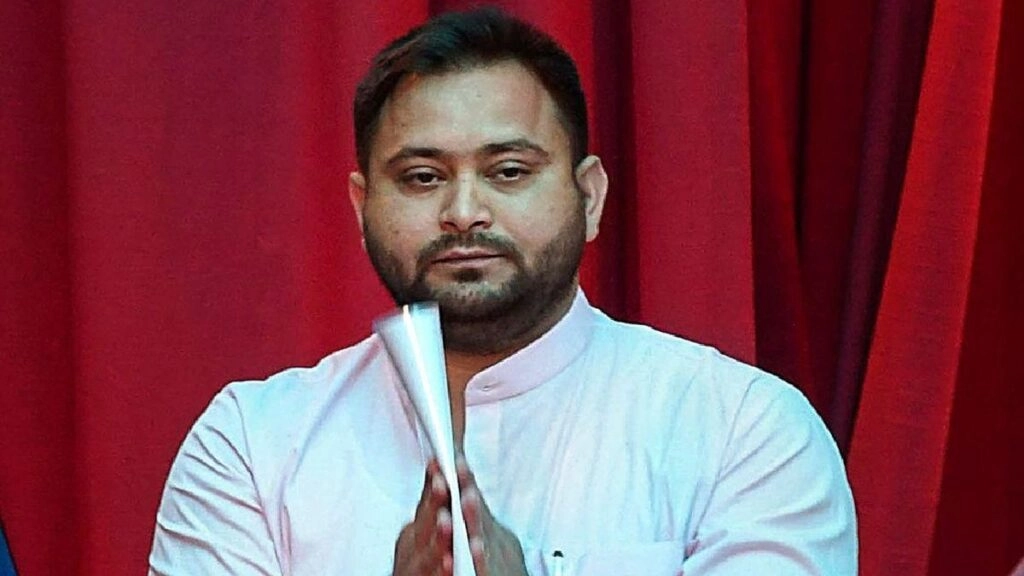
In Bihar, a significant political battle has erupted surrounding security provisions, particularly after the removal of Z+ security for prominent political figures Lalu Prasad Yadav and Rabri Devi. This decision has sparked outrage among their supporters and has intensified the ongoing tensions between various political factions in the state. Tejashwi Yadav, the son of Lalu Prasad and a key opposition leader, has expressed his anger over this decision and has made headlines by returning the government-provided security that he had been granted.
The removal of Z+ security for Lalu and Rabri is seen not just as a personal affront to the leaders but also as a broader political maneuver, potentially aimed at undermining their influence in the state. Supporters of the Yadav family argue that this action is politically motivated, intended to weaken their position ahead of crucial elections. Tejashwi’s return of government security has become a symbolic gesture, showcasing his defiance against what he perceives as an unjust attack on his family’s legacy and political standing.
As the political discourse heats up, both the ruling party and the opposition are leveraging the situation to galvanize their respective bases. The opposition is using the removal of security as a rallying point, framing it as an example of the government’s disregard for the safety of its political opponents. On the other hand, the ruling party defends the decision as a necessary step in reassessing security based on current threats and vulnerabilities. The situation continues to unfold, with both sides preparing for a fierce battle over security and political legitimacy in the coming months. The implications of these events extend beyond personal security, touching on broader issues of political power, governance, and the safety of public figures in Bihar.